
Residential Electrician London, Qualified Domestic Electricians for Repairs, Installations and Electrical Safety
Electrical problems in the home can quickly become inconvenient, disruptive and potentially dangerous. A socket may stop working, the lights may begin flickering, the consumer unit may keep tripping, or part of the property may suddenly lose power. When this happens, you need a qualified residential electrician who can identify the cause, explain the available solution and complete the work safely.
Safety Spectrum London provides professional residential electrician services in London. Our domestic electricians carry out electrical repairs, fault finding, consumer unit replacement, lighting installation, socket installation, rewiring, appliance connections, landlord electrical safety inspections and other residential electrical work.
Whether you are searching for a residential electrician near me, a domestic electrician in London or a local electrician for a house, flat, apartment, HMO or rental property, our team is ready to help.
All electrical work is completed using suitable materials, recognised installation methods and the applicable requirements of BS 7671, commonly known as the IET Wiring Regulations.
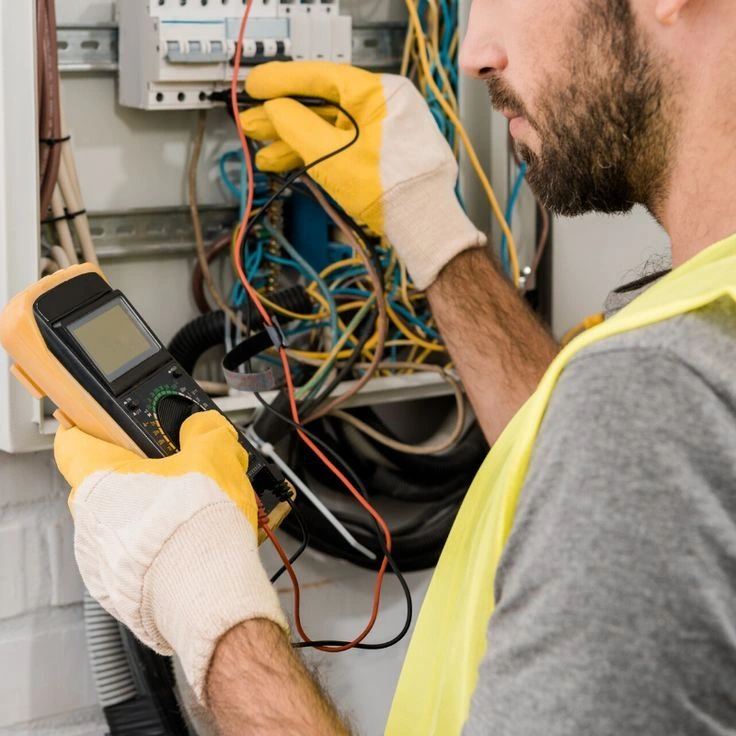
What Does It Cost to Hire a Residential Electrician in London?
For Residential EICR testing specifically, pricing is confirmed on booking based on property size and circuit count. For general repairs and installation work, cost depends on the type of fault, the time required, materials, and whether the appointment is scheduled or urgent. We confirm pricing before starting any work beyond the agreed scope.
Qualified Residential Electricians Across London
Our residential electricians work in houses, flats, maisonettes, apartments, converted properties, rental homes, HMOs and residential blocks across London.
We assist homeowners, tenants, private landlords, letting agents, property managers, housing providers, freeholders, leaseholders, HMO operators, property developers, buyers and sellers, and renovation contractors.
Every residential property is different. Older houses may contain ageing wiring or outdated fuse boards, while newer homes may require additional sockets, modern lighting, electric shower circuits, outdoor power or consumer unit upgrades. Our approach is based on the condition, layout and electrical demand of the individual property rather than applying the same solution to every home.
Emergency Residential Electrician London
Some electrical problems should be investigated immediately. Continuing to use a damaged socket, overloaded circuit or overheating consumer unit can increase the risk of electric shock, electrical fire, equipment damage or complete power failure.
Contact a residential emergency electrician if you notice:
- A burning smell from a socket, switch or consumer unit
- Sparking electrical accessories, or smoke coming from electrical equipment
- Scorch marks around plugs, sockets or switches
- A consumer unit or fuse board that feels unusually warm
- Repeated circuit breaker or RCD tripping
- Buzzing, crackling or humming sounds
- Exposed or damaged electrical wiring
- Electric shocks or tingling from appliances
- Sudden loss of power to part of the property
- Water leaking near electrical wiring
- Flickering lights throughout the home
- A socket that has melted or changed colour
- An RCD that will not reset
Do not repeatedly reset a circuit breaker without identifying the underlying cause. Protective devices normally trip because they have detected an overload, leakage current, short circuit, damaged cable, faulty appliance or another electrical problem.
Where availability permits, Safety Spectrum London provides same-day and urgent residential electrician appointments across London. Before attending, we will ask for the property postcode, details of the fault, and whether the issue is affecting the entire property or a specific circuit.
Residential Electrical Repairs and Fault Finding
Electrical faults are not always visible. A socket may appear normal while a loose terminal is overheating behind it, or a lighting circuit may trip because of damaged insulation elsewhere in the installation.
Our residential electrical diagnostic service may include visual inspection, consumer unit inspection, circuit identification, continuity testing, insulation resistance testing, polarity testing, earth fault loop impedance testing, RCD testing, load assessment, and earthing and bonding checks.
We regularly diagnose and repair tripping circuits, faulty sockets, broken switches, flickering lights, partial power loss, damaged wiring, loose connections, burnt cable terminals, failed lighting circuits, faulty RCDs and circuit breakers, water-damaged accessories, overloaded circuits, unsafe DIY wiring, damaged cooker connections, electric shower faults, and outdoor or garden electrical faults. See our electrical repairs and installation page for the full service breakdown.
Our objective is to identify the actual cause of the problem rather than simply resetting the protective device or replacing an accessory without investigating the circuit.
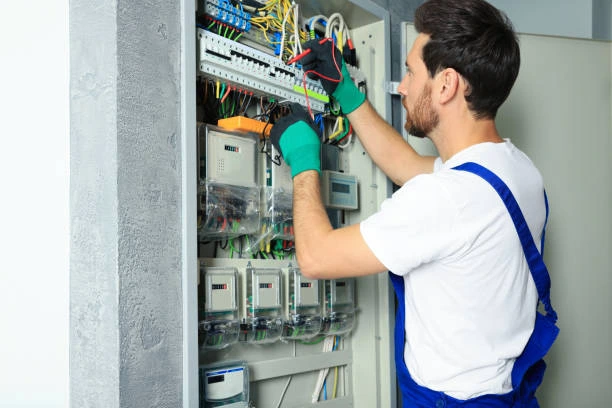
Common Electrical Problems in Houses and Flats
Residential electrical installations can deteriorate because of age, damage, unsuitable alterations, overloading or normal wear and tear.
Circuit breakers that keep tripping — usually caused by an overloaded circuit, faulty appliance, damaged cable, earth leakage, water ingress or a defective protective device.
Sockets that have stopped working — a socket may fail because of a loose connection, damaged cable, broken accessory, or a circuit fault elsewhere on the ring or radial circuit.
Flickering or dimming lights — can indicate a loose connection, defective fitting, incompatible dimmer switch, overloaded circuit or a supply issue.
Burning smells — from an electrical accessory can indicate overheating, damaged insulation or a loose terminal. Stop using the affected circuit and arrange an inspection.
Partial power loss — power may be lost to one room, one floor or a group of circuits because of a tripped protective device, damaged connection, failed circuit breaker or wiring fault.
RCD that will not reset — usually points to an electrical leakage fault on a circuit or appliance; connected appliances may need to be isolated and the circuits tested.
Electric shocks or tingling — can indicate damaged equipment, ineffective earthing, incorrect polarity or a dangerous wiring fault. The affected equipment should not be used until it’s been checked.
Our Process for Electrical Repairs, Installations and Inspections
Initial enquiry and assessment of electrical requirements
Transparent quotations and explanation of recommended work
Safe electrical work carried out by qualified engineers
Final testing, verification and certification
Residential Electrical Installation Services
Our domestic electricians carry out new electrical installation work, alterations and upgrades for homes across London new circuits, additional and double socket installation, USB sockets, cooker and hob connections, electric shower circuits, water heater connections, extractor and bathroom fan installation, kitchen electrical work, loft conversion and extension wiring, garage and outbuilding supplies, garden lighting, outdoor sockets, security lighting, doorbell installation, smoke and heat alarm installation, carbon monoxide alarm installation, EV charger supply preparation, consumer unit replacement, and full and partial rewiring.
Before installing a new circuit or high-demand appliance, we assess the existing installation, protective devices, circuit capacity, cable routes and earthing arrangements.
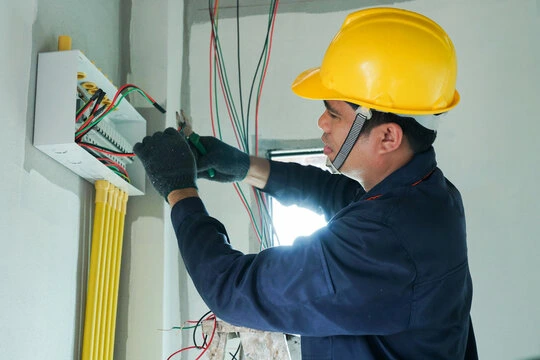
Book a Residential Electrician in London
Lighting Installation and Lighting Repairs
We install and repair ceiling lights, pendant lights, chandeliers, wall lights, downlights, LED lighting, kitchen and bathroom lighting, mirror lighting, under-cabinet lighting, staircase and loft lighting, outdoor and garden lighting, security and motion-sensor lights, dimmer switches, lighting timers, smart lighting controls, decorative lighting, and emergency lighting in applicable residential communal areas see our emergency lighting certification page for the compliance side of this.
Before installing new fittings, we check the condition of the circuit, the suitability of the fitting, and any location-specific requirements. Bathroom and outdoor lighting must be suitable for the environment and installed with appropriate protection.
Socket Installation and Socket Repairs
Modern homes often need more electrical outlets than were included in the original installation. Using extension leads and multi-plug adaptors continuously can create clutter and may overload individual sockets or circuits.
Our socket services include additional double sockets, replacement sockets, USB sockets, switched fused spurs, appliance outlets, cooker connection units, outdoor weatherproof sockets, floor sockets, television points, damaged and burnt socket replacement, loose socket repair, socket relocation, socket testing, and dedicated appliance circuits. Before adding new sockets, our electrician checks the circuit arrangement, loading, condition and protective measures.
Consumer Unit and Fuse Box Replacement
The consumer unit distributes electricity throughout the home and contains the protective devices that disconnect power when a fault is detected.
A replacement may be recommended where the existing board has an old or damaged enclosure, outdated protective devices, inadequate RCD protection, no surge protection, signs of overheating, burnt or damaged connections, or is overcrowded, poorly labelled, or unsuitable for planned additional circuits. A modern consumer unit typically includes a metal enclosure, RCD and individual RCBO protection, a surge protection device, a main switch, clearly labelled circuits and suitable spare capacity.
Our process:
Assess the Existing Installation: We begin by carefully assessing your existing electrical installation to understand its condition, identify any safety concerns, and determine the most suitable replacement consumer unit for your property. This ensures the installation is planned correctly before any work begins.
Identify and Record the Circuits: Every circuit is identified, tested where required, and accurately recorded before disconnection. This allows us to reconnect each circuit correctly, minimise disruption, and provide clear documentation of your electrical system.
Inspect Earthing and Bonding: Our electricians inspect the earthing and main protective bonding to confirm they meet current safety standards. Any deficiencies are highlighted and, where agreed, corrected to improve the overall safety of the installation.
Safely Isolate the Electrical Supply: Before any work starts, the electrical supply is safely isolated using approved procedures. This protects both the property and our engineers while the existing consumer unit is being replaced.
Remove the Existing Consumer Unit: The old consumer unit is carefully disconnected and removed without causing unnecessary disruption. We inspect the existing wiring during removal to identify any issues that may require attention before the new unit is installed.
Install the New Consumer Unit: Your new consumer unit is professionally installed in accordance with BS 7671 Wiring Regulations using high-quality components. The installation is completed neatly and securely to provide reliable long-term electrical protection.
Connect and Organise the Circuits: Each circuit is correctly connected, labelled, and organised within the new consumer unit. Careful cable management improves accessibility, simplifies future maintenance, and helps maintain a professional installation.
Test the Installation: Comprehensive electrical testing is carried out on every circuit to verify that the new consumer unit operates safely and correctly. We ensure all protective devices function as intended before the system is re-energised.
Label the Consumer Unit Clearly: Once testing is complete, all circuits and protective devices are clearly labelled to make future identification straightforward for homeowners, landlords, electricians, and maintenance personnel.
Certification and Customer Handover: After successfully completing the installation, we issue the appropriate electrical certification and explain the operation of your new consumer unit, including RCBOs, RCDs, and surge protection devices, so you understand how your new system keeps your property safe.
Replacing a consumer unit does not automatically correct faults within the existing wiring, testing may identify circuit defects that require remedial work before or during the upgrade.
Full and Partial House Rewiring
Electrical wiring may require replacement where it’s damaged, deteriorated, unsuitable or unable to support the current electrical demand of the property. Signs worth having assessed include very old wiring, fabric or rubber-insulated cables, frequent faults, repeated tripping, insufficient sockets, unsafe past alterations, missing protective conductor connections, inadequate earthing or bonding, burnt accessories, and an outdated consumer unit — or simply that major renovation or extension work is already planned.
Our rewiring services include full house and flat rewiring, partial rewiring, kitchen and bathroom rewiring, loft conversion and extension wiring, garage and outbuilding wiring, lighting and socket circuit replacement, consumer unit installation, and smoke alarm and appliance circuits.
The duration of a rewire depends on the size, layout, occupancy and condition of the property, as well as the number of sockets, lighting points and specialist circuits required. We discuss access, decoration, furniture movement and expected disruption before work begins.
Residential EICR and Electrical Safety Testing
An Electrical Installation Condition Report, commonly called an EICR, assesses the condition and safety of a property’s fixed electrical installation — the consumer unit, protective devices, earthing, bonding, wiring condition, socket and lighting circuits, polarity, RCD operation, signs of overheating, and previous alterations. It’s also sometimes referred to as fixed wire testing.
Residential EICRs are commonly arranged by homeowners, landlords, homebuyers, sellers, letting agents, property managers, HMO operators, freeholders and leaseholders. An EICR identifies observations classified as C1 (danger present), C2 (potentially dangerous), C3 (improvement recommended), or FI (further investigation required). Where remedial work is required, we provide a quotation and complete the necessary electrical repairs.
Read our dedicated Residential EICR page for a full explanation of the inspection and report process, or our EICR FAQ for common questions.
Landlord Electrical Safety Certificates
Private landlords in England must arrange inspection and testing of the electrical installation in rented properties at intervals of no more than five years, under the Electrical Safety Standards in the Private Rented Sector (England) Regulations 2020.
Our landlord electrical services include Residential EICR inspections, electrical safety reports, EICR remedial work, consumer unit upgrades, fault finding, socket and lighting repairs, smoke and heat alarm installation, PAT testing, electrical maintenance, emergency repairs, and reinspection after remedial work. We work directly with landlords, tenants, letting agents and property managers to arrange access and provide relevant documentation, including photographs, observations and a quotation for identified defects where possible.
Residential Electrician for Homebuyers and Sellers
Electrical defects are not always obvious during a standard property viewing. A homebuyer may choose to arrange an EICR where the property is older, the wiring history is unknown, the consumer unit looks outdated, significant DIY work has been carried out, extensions or loft conversions have been completed, there are signs of overheating, circuits frequently trip, documentation is incomplete, or the property has been vacant. An electrical inspection can provide useful information about the condition of the installation and whether repairs, upgrades or further investigation may be needed. Sellers may also arrange testing before marketing a property to reduce uncertainty and address known issues in advance.
Domestic Electrician for Rental Properties and HMOs
Rental homes and HMOs can experience increased electrical demand because of higher occupancy, multiple appliances and frequent use of kitchen, heating and laundry equipment.
Our services for rental properties and HMOs include EICR inspections, fault finding, consumer unit replacement, additional socket installation, lighting repairs, smoke and heat alarm installation, emergency lighting in applicable communal areas, PAT testing, electrical remedial work, appliance circuit installation, communal electrical repairs and planned maintenance. We can coordinate access with tenants and provide landlords or agents with clear findings and documentation.
Smoke, Heat and Carbon Monoxide Alarm Installation
Correctly selected and positioned alarms provide an important early warning of fire or carbon monoxide. We install mains-powered, battery-backed and interlinked smoke alarms, heat alarms, carbon monoxide alarms, replacement alarm heads, and landlord and HMO alarm systems for kitchens, hallways, landings and circulation areas.
The appropriate alarm type, grade and coverage depend on the property layout, occupancy, fire strategy and applicable requirements. Smoke alarms should not simply be positioned wherever installation is easiest location, interconnection and detector type can all affect the level of protection provided.
Electric Oven, Hob and Appliance Connections
Fixed electrical appliances must be connected to a suitable circuit with the correct cable size, protective device and isolation arrangement. We provide electrical connections and fault investigation for electric ovens, hobs, cookers, extractor fans, electric showers, water heaters, towel rails, waste disposal units, bathroom fans and fixed electric heaters.
Before connecting a high-demand appliance, our electrician checks whether the existing circuit and consumer unit are suitable. We do not connect an appliance to a circuit that cannot safely support the electrical load.
Outdoor and Garden Electrics
Outdoor electrical equipment is exposed to moisture, temperature changes and physical damage, so it must be suitable for the environment. Our outdoor services include garden and security lighting, motion-sensor lighting, outdoor sockets, garage, shed and summerhouse supplies, electric gate and water feature supplies, patio and driveway lighting, external fault finding, and weather-damaged accessory replacement. Outdoor circuits may require suitable RCD protection, weather-resistant accessories, appropriate cable selection and safe routing.
Outdoor and Garden Electrics
Outdoor electrical equipment is exposed to moisture, temperature changes and physical damage, so it must be suitable for the environment. Our outdoor services include garden and security lighting, motion-sensor lighting, outdoor sockets, garage, shed and summerhouse supplies, electric gate and water feature supplies, patio and driveway lighting, external fault finding, and weather-damaged accessory replacement. Outdoor circuits may require suitable RCD protection, weather-resistant accessories, appropriate cable selection and safe routing.
Our Residential Electrical Work Process
- Contact our team, tell us what’s happened, the property type, postcode and whether the issue is urgent.
- Appointment booking, we arrange a suitable window and confirm access requirements.
- Inspection and diagnosis, the electrician attends, inspects the affected installation and carries out appropriate testing.
- Explanation and quotation, we explain the findings and confirm the scope and cost of any additional work before proceeding.
- Repair or installation, approved work is completed using suitable materials and recognised installation methods.
- Testing, the completed work is inspected and tested before the circuit is returned to service.
- Certification, relevant electrical certificates are issued where the completed work qualifies.
- Aftercare, we explain any recommendations, operating instructions or future maintenance considerations.
Electrical Certificates We Provide
Depending on the work completed, documentation may include an Electrical Installation Condition Report, Electrical Installation Certificate, Minor Electrical Installation Works Certificate, landlord electrical safety documentation, PAT testing records, schedule of test results, remedial completion documentation, or consumer unit/circuit alteration certification. The certificate provided depends on the type and extent of work carried out.
Electrical Safety Standards and Regulations
Our residential electrical work is completed with reference to applicable technical and legal requirements:
- BS 7671 IET Wiring Regulations — the principal technical requirements for electrical installations in the UK.
- Building Regulations Part P — applies to electrical safety in dwellings; certain domestic electrical work is notifiable to building control.
- Electrical Safety Standards in the Private Rented Sector (England) Regulations 2020 — requires private landlords in England to arrange electrical inspection and testing at intervals of no more than five years.
- Electricity at Work Regulations 1989 — applies primarily to electrical systems used in workplaces (relevant to landlords managing communal or workplace-adjacent supplies) and requires systems to be constructed and maintained to prevent danger.
Why Choose Safety Spectrum London?
- Qualified residential electricians with domestic and landlord electrical expertise
- BS 7671-compliant work and electrical fault diagnosis
- Clear quotations and transparent communication
- Applicable electrical certification
- Fully insured service, with DBS-checked personnel where required
- London-wide coverage, with same-day appointments where available
- Practical advice, with no unnecessary upselling
- Support for homeowners, tenants and landlords under one provider
- Electrical repairs, installations, Residential EICR and remedial services from a single point of contact
- Clear explanations of identified defects and consumer unit upgrades
- Planned and urgent electrical work handled with the same standard of care
Areas We Cover
Central London Areas We Cover
We provide services throughout Central London, including Westminster (SW1), the City of London (EC1–EC4), Holborn (WC1), Covent Garden (WC2), Soho (W1), Mayfair (W1K/W1J), Marylebone (W1U/W1G/NW1), Fitzrovia (W1T), Bloomsbury (WC1), St James’s (SW1A), Pimlico (SW1V), South Bank (SE1), Victoria (SW1), Belgravia (SW1X), Knightsbridge (SW1X), Chelsea (SW3/SW10), Kensington (W8), Paddington (W2), Bayswater (W2), and Notting Hill (W11/W2).
North London Areas We Cover
Our engineers cover North London, including Highgate (N6), Muswell Hill (N10), Crouch End (N8), Finsbury Park (N4), Archway (N19), Hampstead (NW3), Golders Green (NW11), East Finchley (N2), Finchley Central (N3), North Finchley (N12), Mill Hill (NW7), Totteridge (N20), Whetstone (N20), Barnet (EN4/EN5), Enfield Town (EN2), Palmers Green (N13), Winchmore Hill (N21), Southgate (N14), Edmonton (N9/N18), Bounds Green (N11), Wood Green (N22), Alexandra Palace (N22), Holloway (N7), and Islington (N1).
North West London Areas We Cover
We also serve North West London, covering Cricklewood (NW2), Kilburn (NW6), Willesden (NW10), Neasden (NW10), Harlesden (NW10), Wembley (HA0/HA9), Alperton (HA0), Kingsbury (NW9), Queensbury (HA3/HA7), Kenton (HA3), Harrow on the Hill (HA1), South Harrow (HA2), North Harrow (HA2), Harrow Weald (HA3), Pinner (HA5), Ruislip (HA4), Stanmore (HA7), Edgware (HA8), Colindale (NW9), Hendon (NW4), Brent Cross (NW4), and Swiss Cottage (NW3).
West London Areas We Cover
Across West London, we regularly work in Acton (W3), Chiswick (W4), Ealing (W5), West Ealing (W13), Northfields (W13), Hanwell (W7), Hammersmith (W6), Shepherd’s Bush (W12), White City (W12), Holland Park (W11), Kensington (W8), Southall (UB1/UB2), Brentford (TW8), Isleworth (TW7), Hounslow (TW3/TW4), Osterley (TW7), Feltham (TW13/TW14), Hayes (UB3/UB4), Harlington (UB3), Uxbridge (UB8/UB10), Ruislip (HA4), Yiewsley (UB7), and West Drayton (UB7).
South West London Areas We Cover
Our coverage extends throughout South West London, including Putney (SW15), Wandsworth (SW18), Clapham Junction (SW11), Battersea (SW11), Balham (SW12), Tooting (SW17), Earlsfield (SW18), Southfields (SW18), Wimbledon (SW19), Raynes Park (SW20), Morden (SM4), Colliers Wood (SW19), Mitcham (CR4), Streatham (SW16), Norbury (SW16), Richmond (TW9/TW10), Twickenham (TW1/TW2), Teddington (TW11), Hampton (TW12), Kingston upon Thames (KT1/KT2), Surbiton (KT5/KT6), and New Malden (KT3).
South London Areas We Cover
We cover all major areas across South London, including Brixton (SW2/SW9), Clapham (SW4), Stockwell (SW8/SW9), Vauxhall (SE11/SW8), Kennington (SE11), Elephant & Castle (SE1/SE17), Camberwell (SE5), Peckham (SE15), Dulwich (SE21/SE22), Herne Hill (SE24), Crystal Palace (SE19), West Norwood (SE27), Upper Norwood (SE19), South Norwood (SE25), Thornton Heath (CR7), Croydon (CR0/CR2), Purley (CR8), Coulsdon (CR5), Addiscombe (CR0), Shirley (CR0), and Selhurst (SE25).
South East London Areas We Cover
Our South East London service area includes Deptford (SE8), New Cross (SE14), Brockley (SE4), Lewisham (SE13), Catford (SE6), Hither Green (SE13), Blackheath (SE3), Greenwich (SE10), Eltham (SE9), Woolwich (SE18), Plumstead (SE18), Abbey Wood (SE2), Thamesmead (SE28), Bexleyheath (DA6/DA7), Welling (DA16), Sidcup (DA14/DA15), Chislehurst (BR7), Bromley (BR1/BR2), Beckenham (BR3), Orpington (BR5/BR6), Penge (SE20), Anerley (SE20), and Grove Park (SE12).
East London Areas We Cover
We provide services throughout East London, including Shoreditch (E1/E2), Hoxton (N1/E2), Bethnal Green (E2), Whitechapel (E1), Stepney (E1), Poplar (E14), Bow (E3), Canary Wharf (E14), Stratford (E15), Forest Gate (E7), Plaistow (E13), East Ham (E6), West Ham (E15), Canning Town (E16), Beckton (E6/E16), Barking (IG11), Dagenham (RM8/RM9/RM10), Ilford (IG1), Seven Kings (IG3), Goodmayes (IG3), Chadwell Heath (RM6), Romford (RM1/RM2/RM3), Gidea Park (RM2), Hornchurch (RM11/RM12), Upminster (RM14), Wanstead (E11), Leyton (E10), Leytonstone (E11), Walthamstow (E17), Chingford (E4), and Woodford Green (IG8).
Surrounding Areas Outside the M25 We Also Cover
In addition to Greater London, we also serve many surrounding towns just outside the M25, including Watford (WD17–WD25), Bushey (WD23), Borehamwood (WD6), Elstree (WD6), Potters Bar (EN6), Cheshunt (EN7/EN8), Waltham Abbey (EN9), Epping (CM16), Loughton (IG10), Theydon Bois (CM16), Chigwell (IG7), Buckhurst Hill (IG9), Brentwood (CM13/CM14/CM15), Upminster Bridge (RM14), Dartford (DA1/DA2), Swanley (BR8), Epsom (KT17/KT18/KT19), Ewell (KT17/KT19), Leatherhead (KT22), Ashford, Middlesex (TW15), Staines-upon-Thames (TW18/TW19), Sunbury-on-Thames (TW16), Shepperton (TW17), Rickmansworth (WD3), and Chorleywood (WD3).
Frequently Asked Questions (FAQ)
What type of residential electrical work do you carry out?
Electrical repairs, fault finding, socket installation, lighting installation, consumer unit replacement, rewiring, appliance connections, safety testing, landlord certificates and residential maintenance.
Do you provide emergency residential electrician services?
Yes. Urgent and same-day appointments may be available depending on engineer location, workload and the property postcode.
What should I do if I smell burning from a socket?
Stop using the socket, switch off the affected circuit if it's safe to do so, and contact a qualified electrician immediately.
Why does my circuit breaker keep tripping?
A breaker may trip because of an overloaded circuit, faulty appliance, damaged cable, water ingress, earth leakage or a defective protective device — testing is required to identify the cause.
Can you replace an old fuse box?
Yes. We assess the existing circuits and earthing arrangements before replacing the fuse box with a suitable modern consumer unit.
Do you provide electrical certificates?
Yes, we issue applicable electrical reports and certificates after qualifying inspections, installations and remedial work.
Do landlords need an electrical safety certificate?
Private landlords in England must arrange periodic electrical inspection and testing at intervals of no more than five years under the 2020 Regulations.
Do you work in occupied properties?
Yes, we work in occupied homes and coordinate access with homeowners, tenants, landlords and letting agents.
Can you install smoke and carbon monoxide alarms?
Yes, suitable smoke, heat and carbon monoxide alarms for residential properties.
Can you connect an electric oven or hob?
Yes, subject to the existing circuit, cable size, protective device and electrical load being suitable.
Can you repair tripping circuits?
Yes, we inspect and test the circuit and connected equipment to identify the underlying cause.
What is the difference between PAT testing and an EICR?
PAT testing covers portable and plug-in appliances. An EICR assesses the fixed electrical installation.
Do I need a Part P electrician?
Certain electrical work in dwellings is notifiable under Building Regulations Part P and must follow the applicable compliance process.
Can you inspect electrics before I buy a house?
Yes, a Residential EICR can provide information about the condition and safety of the fixed electrical installation.
How long does residential electrical work take?
Depends on the type of fault or installation, property size, access, materials, and whether additional defects are identified.
Will I receive a quotation before work starts?
Where possible, yes, we explain the findings and confirm the cost before substantial additional work begins.
Accreditations and Compliance Guarantee


