Professional EICR Testing for Single-Phase and Three-Phase Commercial Electrical Installations Across London
Looking for a reliable Commercial EICR London service? Safety Spectrum London provides professional Electrical Installation Condition Reports (EICRs), fixed wire testing and electrical safety certification for businesses, commercial landlords, managing agents and facilities managers throughout London and the M25.
Our qualified electricians carry out comprehensive EICR testing in London, inspecting single-phase and three-phase electrical installations to assess the condition of fixed wiring, distribution boards, electrical circuits, earthing, bonding and protective devices.
Whether you need an EICR certificate for an office, restaurant, shop, warehouse, commercial kitchen, industrial unit or mixed-use property, we provide professional inspection, clear reporting and recommendations for any electrical defects identified.
Commercial EICR From £210 | Experienced Electricians | Digital Reports | London & M25 Coverage

Our commercial electrical inspection service includes:
Several factors can influence the final electrical installation condition report price, including:
Parking and congestion charges may apply where relevant. Remedial electrical work is quoted separately. If you are comparing the cost of an EICR certificate in London, it is important to confirm the inspection scope rather than comparing the headline price alone.
EXCELLENT Based on 10 reviews
 Posted on Google

 Viktoria RybchynskaGood and fast work! Fire door and certification! Recommend 👌Posted on Google
 jackie cookeQuick to respond to emails, work booked in within a week and well priced. Tenant happy with the person who completed the PAT test. Highly recommendPosted on Google
 synymyrGrade D LD1 smoke alarm system installed. Excellent customer service from Haider and Syed, and a dedicated and careful installation by electrical engineer William. A reduced invoice was volunteered when 3 existing smoke alarms were able to be integrated into the job. A young company, but proficient, assiduous and with clear, timely communication. Highly recommend.Posted on Google
 DEBEE LAYCOCKVery helpful, well informed assessor. Excellent service, reasonable pricing. We will use this company again for our rental properties.Posted on Google
 Salma SaidI needed the service fast. And they booked me for the next day. Happy with the service.Posted on Google
 J1Great communications (friendly and responsive over WhatsApp), flexible (was able to fit us in at short notice), and good value (compared to some other quotes I received). I would recommend for anyone needing an efficient FRA.Posted on Google
 John WeekendsaGood quality and service. Very easy communication with management and highly skilled engineers.Posted on Google
 Clement MegueuleI arranged an EPC inspection through this company and was very happy with the experience. The engineer who attended was friendly and professional, thank you. As a private landlord, it’s great to work with a reliable company and not to deal with any issues. I would definitely recommend them and thanks Haider again.Posted on Google
 Yevheniia PohorielovaGreat service! Prompt, reliable, and very professional. The team is friendly and easy to deal with and they always complete gas safety and EICR inspections efficiently. In my experience they are one of the best companies in London for landlords and property management. Highly recommended.
At Safety Spectrum London, we deliver all types of Electrical Safety Certificate. Your one trusted team for complete electrical safety compliance.
We offer professional EICR testing for offices and commercial sites, ensuring your business stays fully compliant with minimal disruption.
We deliver quick, accurate electrical fault-finding to identify issues early and prevent costly repairs or system failures.
We provide fast, certified electrical inspections for homes and rentals, ensuring complete safety and compliance at competitive rates.
We provide modern, compliant fuse box upgrades that enhance safety, reduce tripping, and meet all 18th-Edition regulations.
We offer reliable emergency lighting inspections and certification to ensure your building meets all legal and safety standards.
We provide fast, efficient PAT testing with instant digital reports to keep your appliances, staff, and tenants fully protected.
We provide professional electrical repairs and installations for homes, landlords and businesses, from fault repairs to new electrical upgrades.
We provide professional fixed wire testing to assess circuits, wiring and electrical systems for safety, faults and compliance.
Our qualified electricians provide reliable electrical testing, repairs, installations and remedial works across London.

EICR stands for Electrical Installation Condition Report.
An EICR is a formal report produced following an inspection and test of a property’s fixed electrical installation. It assesses the installation’s condition, identifies electrical safety concerns and records defects requiring attention.
The report helps property owners and dutyholders understand whether the electrical installation is in a satisfactory condition for continued use.
A commercial EICR may include inspection of:
The completed Electrical Installation Condition Report (EICR) records inspection findings, electrical test results, observations, any agreed limitations and the recommended date for the next inspection.
An EICR certificate is the commonly used name for the Electrical Installation Condition Report issued after electrical inspection and testing.
People also refer to this document as:
These terms are often used interchangeably, although the formal document for an existing installation is an Electrical Installation Condition Report. An EICR is different from an Electrical Installation Certificate, which is associated with qualifying new installation work or alterations.
For commercial properties, the purpose of an EICR is to identify electrical safety defects and help responsible persons make informed decisions about maintenance and corrective work.
It can support:
An EICR does not guarantee that an installation will remain fault-free indefinitely. It documents the condition of the installation at the time of inspection, subject to the stated scope and limitations.
Fixed wire testing is the inspection and testing of the permanent electrical installation within a building. A commercial fixed wire test examines wiring and associated equipment to identify damage, deterioration, potentially unsafe conditions and defects affecting electrical protection. Fixed wire testing is commonly undertaken as part of an EICR.
Fixed wire testing involves appropriate visual checks and electrical measurements of a building’s permanent electrical installation.
Depending on the installation, testing may include:
A fixed wire testing certificate is a common search term for the EICR report produced following the inspection.
Fixed wire testing assesses the permanent electrical installation, while Portable Appliance Testing (PAT) concerns portable and transportable electrical equipment.
Fixed Wire Testing | PAT Testing |
Fixed electrical cables | Portable electrical appliances |
Distribution boards | Portable electrical tools |
Socket and lighting circuits | Office appliances |
Earthing and bonding | Portable equipment inspection |
Electrical protective devices | Appliance-specific electrical checks |
EICR report | PAT inspection and test records |
An EICR does not automatically include PAT testing.
Fixed appliance testing is another related term, but fixed or stationary electrical equipment may require additional equipment-specific inspection and maintenance outside the scope of an installation EICR. Safety Spectrum London can discuss separate PAT testing and fixed electrical installation inspection services.
Safety Spectrum London provides single-phase and three-phase EICR testing for commercial electrical installations throughout London. Both supply arrangements can be inspected and reported through an EICR, although the electrical systems and testing requirements may differ.
A single-phase EICR involves inspection and testing of an installation using a single-phase electrical supply.
A typical UK single-phase supply includes:
Single-phase supplies are frequently used in houses, flats, small offices, shops and other relatively low-demand premises.
A three-phase EICR assesses an electrical installation supplied by three live phase conductors, commonly identified as L1, L2 and L3. Three-phase supplies are often used in larger commercial buildings, warehouses, industrial units and properties with significant electrical demand.
A typical UK low-voltage three-phase system uses:
Feature | Typical Specification |
Live Conductors | L1, L2 and L3 |
Neutral | Normally present in a four-wire system |
Protective Earth | Appropriate earthing arrangement |
Phase-to-Neutral Voltage | Approximately 230V |
Phase-to-Phase Voltage | Approximately 400V |
Frequency | 50 Hz |
The current rating of a three-phase supply depends on the incoming supply arrangements and distribution equipment.
Three-phase systems are commonly found in:
No. A three-phase electrical installation is inspected and reported using an Electrical Installation Condition Report. Three-phase describes the electrical supply, not a different certification category. Both single-phase and three-phase inspections result in an EICR.
Depending on the installation, a three-phase EICR may include:
Feature | Single-Phase EICR | Three-Phase EICR |
Phase Conductors | One | Three |
Typical Voltage | 230V | 230V/400V |
Common Properties | Homes, Small Shops | Larger Commercial Buildings |
Electrical Demand | Often Lower | Often Higher |
Distribution Equipment | Usually Simpler | May Be More Complex |
Report Issued | EICR | EICR |
Testing Cost | Installation-Dependent | Installation-Dependent |
Three-phase testing may require more time when multiple distribution boards, extensive circuits or specialised electrical equipment are present.
All tests performed comply with written RAMS (Risk Assessment & Method Statement) for total HSE compliance.
Our qualified electricians conduct all commercial EICRs with little disruption.
Get your report and your EICR certificate for commercial premises in 24–48 hours
If issues arise, we quote and complete works promptly to issue a Satisfactory EICR Certificate.
An EICR report provides a structured record of an electrical installation inspection.
A completed report generally includes:
An EICR contains a summary of the installation’s condition and supporting technical information. Customers should pay particular attention to the overall assessment, observation codes, recommendations and any inspection limitations.
An EICR is normally issued using an appropriate inspection and testing report format containing the required schedules and declarations. It is not simply a generic electrical safety certificate template that can be completed without inspecting the installation. The findings must be based on work carried out by a competent person.
EICR classification codes explain the nature and urgency of electrical safety observations.
Code | Meaning | Required Response |
C1 | Danger Present | Immediate action |
C2 | Potentially Dangerous | Urgent remedial action |
C3 | Improvement Recommended | Improvement advised |
FI | Further Investigation Required | Investigate without delay |
If your commercial EICR identifies defects, Safety Spectrum London can provide electrical repairs and remedial services.
Our EICR remedial works may include:
After electrical remedial work, appropriate verification and testing must be carried out. Depending on the work completed, supporting documentation may include an Electrical Installation Certificate, Minor Electrical Installation Works Certificate or other relevant confirmation. A new satisfactory EICR is not automatically required or issued after every repair. The documentation depends on the original report, the defects and the work completed.

Commercial property owners and dutyholders must keep electrical installations safe. An EICR helps assess their condition, although commercial properties do not have a universal legal five-year EICR requirement.
These regulations require electrical systems to be maintained so as to prevent danger, so far as reasonably practicable. Inspection and testing can form part of a suitable electrical maintenance programme.
BS 7671 is the recognised UK standard covering requirements for electrical installations. The current published 18th Edition amendment is BS 7671:2018+A4:2026. A commercial EICR uses the applicable inspection and testing requirements to assess the installation’s safety. Older installations are not automatically unsafe simply because they were installed under an earlier edition.
Employers have general legal duties to manage risks affecting employees and others. Electrical maintenance and inspection can support these responsibilities.
Insurers, landlords and commercial leases may require evidence of electrical inspection and testing. The requirements depend on the individual insurance policy, lease and property circumstances.
The recommended interval between EICR inspections depends on the type of property, its electrical installation, usage and condition.
Many lower-risk commercial premises use a five-year inspection cycle, while industrial and specialist installations may require more frequent assessment.
Property Type | Typical Interval |
Commercial Offices | Often 5 Years |
Retail Shops | Often 5 Years |
Restaurants and Hotels | Often 5 Years |
Industrial Properties | Risk-Based |
Warehouses | Risk-Based |
Medical Locations | Specialist Requirements |
Swimming Pool Installations | Often Annually |
Owner-Occupied Homes | Often 10 Years Recommended |
Covered Rented Homes in England | Maximum 5 Years or Sooner if Required |
These intervals are not universal expiry periods. The recommended inspection date should be determined according to the electrical installation and relevant legal or technical requirements.
An EICR does not have one fixed validity period that applies to every property. The report records a recommended date for the next inspection. Changes in use, installation damage, serious faults or other circumstances may require earlier inspection.
For rented residential properties covered by England’s electrical safety regulations, inspection and testing are required at least every five years, or sooner if the report specifies. Commercial landlord responsibilities differ and depend on the relevant electrical safety duties, installation circumstances and lease arrangements.
A commercial EICR and a landlord residential EICR both assess the safety and condition of fixed electrical installations.
However, their property types and regulatory requirements may differ.
Commercial EICR | Residential Landlord EICR |
Offices, Shops, Warehouses | Rented Houses and Flats |
Single or Three-Phase Systems | Usually Single Phase |
Workplace Electrical Safety | Residential Electrical Safety |
Risk-Based Inspection Frequency | Statutory Maximum Usually 5 Years for Covered Tenancies |
Commercial Installation Report | Residential Installation Report |
A landlord electrical safety certificate commonly refers to the EICR obtained for a rented residential property. An electrical safety certificate for landlords helps demonstrate that the property’s fixed electrical installation has been inspected and tested. also provides residential EICR testing and landlord electrical safety inspection services. For residential prices and landlord-specific requirements, customers should use our dedicated residential EICR service page.
Our commercial EICR services are suitable for:
Commercial EICR Testing for Different Sectors
Safety Spectrum London provides electrical installation inspection services across a wide range of commercial premises.
Commercial EICR testing may require temporary electrical isolation, which can affect computers, machinery, refrigeration and other electrical equipment. Safety Spectrum London works with property managers and businesses to plan appropriate testing arrangements.
We can discuss:
Where electrical equipment cannot be safely disconnected or tested, the limitations are recorded within the EICR.
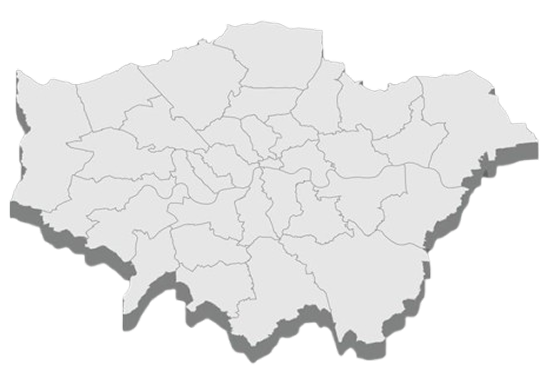
Safety Spectrum London provides commercial EICR testing, fixed wire testing and electrical safety inspection across Greater London and surrounding M25 areas.
Westminster (SW1), City of London (EC1–EC4), Holborn (WC1, WC2), Covent Garden (WC2), Soho (W1), Mayfair (W1), Marylebone (W1, NW1), Fitzrovia (W1), Bloomsbury (WC1), St James’s (SW1), Victoria (SW1), Knightsbridge (SW1, SW7), Kensington (W8), Paddington (W2), Bayswater (W2) and Notting Hill (W11).
Highgate (N6), Muswell Hill (N10), Crouch End (N8), Finsbury Park (N4), Archway (N19), Hampstead (NW3), Golders Green (NW11), Finchley (N2, N3, N12), Barnet (EN4, EN5), Enfield (EN1, EN2), Palmers Green (N13), Wood Green (N22), Holloway (N7) and Islington (N1).
Cricklewood (NW2), Kilburn (NW6), Willesden (NW10), Neasden (NW10), Harlesden (NW10), Wembley (HA0, HA9), Kingsbury (NW9), Harrow (HA1–HA3), Pinner (HA5), Ruislip (HA4), Stanmore (HA7), Edgware (HA8), Colindale (NW9) and Hendon (NW4).
Acton (W3), Chiswick (W4), Ealing (W5, W13), Hanwell (W7), Hammersmith (W6), Shepherd’s Bush (W12), White City (W12), Holland Park (W11), West Kensington (W14), Southall (UB1, UB2), Brentford (TW8), Isleworth (TW7), Hounslow (TW3, TW4), Feltham (TW13, TW14), Hayes (UB3, UB4) and Uxbridge (UB8, UB10).
Putney (SW15), Wandsworth (SW18), Battersea (SW11), Balham (SW12), Tooting (SW17), Wimbledon (SW19), Raynes Park (SW20), Morden (SM4), Mitcham (CR4), Streatham (SW16), Richmond (TW9, TW10), Twickenham (TW1, TW2), Kingston upon Thames (KT1, KT2) and New Malden (KT3).
Brixton (SW9), Clapham (SW4), Stockwell (SW9), Vauxhall (SW8), Kennington (SE11), Elephant and Castle (SE1), Camberwell (SE5), Peckham (SE15), Dulwich (SE21, SE22), Herne Hill (SE24), Crystal Palace (SE19), Thornton Heath (CR7) and Croydon (CR0, CR2).
Deptford (SE8), New Cross (SE14), Brockley (SE4), Lewisham (SE13), Catford (SE6), Hither Green (SE13), Blackheath (SE3), Greenwich (SE10), Eltham (SE9), Woolwich (SE18), Plumstead (SE18), Abbey Wood (SE2), Thamesmead (SE28), Bexleyheath (DA6, DA7), Sidcup (DA14, DA15), Bromley (BR1, BR2) and Beckenham (BR3).
Shoreditch (E1, E2), Hoxton (N1), Bethnal Green (E2), Whitechapel (E1), Poplar (E14), Bow (E3), Canary Wharf (E14), Stratford (E15, E20), Forest Gate (E7), East Ham (E6), Canning Town (E16), Barking (IG11), Dagenham (RM8–RM10), Ilford (IG1, IG2), Romford (RM1), Leyton (E10), Leytonstone (E11), Walthamstow (E17) and Chingford (E4).
Subject to availability, we can also arrange inspections in Watford, Bushey, Borehamwood, Potters Bar, Cheshunt, Epping, Loughton, Dartford, Epsom, Leatherhead, Staines-upon-Thames, Rickmansworth and Chorleywood.
Looking for an EICR certificate near me or fixed wire testing near me? Contact us with your full property postcode to confirm coverage and availability.
Safety Spectrum London provides professional electrical inspection, testing and remedial services for commercial landlords, businesses and property managers throughout London.
Our service benefits include:
Our aim is to provide reliable electrical inspections, clear reporting and practical assistance with identified defects.
Whether you require an EICR certificate in London, commercial fixed wire testing, single-phase or three-phase electrical inspection, or an electrical safety report for your business, Safety Spectrum London can help.
Yes. All commercial premises must comply with the Electricity at Work Regulations 1989, which require periodic inspection and testing to ensure electrical safety and prevent workplace hazards.
Typically every 5 years, or every 1–3 years for high-risk environments such as schools, gyms, medical facilities, workshops, or factories.
Pricing depends on the size and electrical complexity of the property.
Only qualified electrical contractors registered with NICEIC or NAPIT and trained in inspection and testing to BS 7671 standards are authorised to conduct commercial EICRs.
Yes. Landlords are legally required to hold a valid Commercial EICR Certificate before leasing, selling, or undertaking refurbishment works.
Across London, prices generally range between £169–£249 for small-to-medium commercial units. Larger or multi-site portfolios are quoted individually, ensuring transparent, property-specific pricing.
A Commercial EICR Certificate is valid for up to five years, although the renewal period may be shorter for sites with heavy electrical usage or specialist equipment.
Absolutely. Safety Spectrum London offers combined electrical compliance packages, allowing you to complete PAT Testing, Emergency Lighting, and Fire Alarm Checks during the same visit — saving both time and cost.


© 2026 Safety Spectrum London – All Rights Reserved. Company Reg No.16678881
Live Chat