If you have found a material that may contain asbestos, do not rely on appearance alone. The safest way to find out what the material contains is through careful sample collection and laboratory analysis. Safety Spectrum London provides professional asbestos sample and testing in London for homeowners, landlords, managing agents, property managers, businesses and contractors. We can arrange safe collection of a suspect material and analysis through a UKAS-accredited laboratory. Your results will confirm whether asbestos was detected and, where present, the type of asbestos identified. Our service is suitable for both residential and commercial properties across London.


EXCELLENT Based on 10 reviews
 Posted on Google
 Viktoria RybchynskaGood and fast work! Fire door and certification! Recommend 👌Posted on Google
 jackie cookeQuick to respond to emails, work booked in within a week and well priced. Tenant happy with the person who completed the PAT test. Highly recommendPosted on Google
 synymyrGrade D LD1 smoke alarm system installed. Excellent customer service from Haider and Syed, and a dedicated and careful installation by electrical engineer William. A reduced invoice was volunteered when 3 existing smoke alarms were able to be integrated into the job. A young company, but proficient, assiduous and with clear, timely communication. Highly recommend.Posted on Google
 DEBEE LAYCOCKVery helpful, well informed assessor. Excellent service, reasonable pricing. We will use this company again for our rental properties.Posted on Google
 Salma SaidI needed the service fast. And they booked me for the next day. Happy with the service.Posted on Google
 J1Great communications (friendly and responsive over WhatsApp), flexible (was able to fit us in at short notice), and good value (compared to some other quotes I received). I would recommend for anyone needing an efficient FRA.Posted on Google
 John WeekendsaGood quality and service. Very easy communication with management and highly skilled engineers.Posted on Google
 Clement MegueuleI arranged an EPC inspection through this company and was very happy with the experience. The engineer who attended was friendly and professional, thank you. As a private landlord, it’s great to work with a reliable company and not to deal with any issues. I would definitely recommend them and thanks Haider again.Posted on Google
 Yevheniia PohorielovaGreat service! Prompt, reliable, and very professional. The team is friendly and easy to deal with and they always complete gas safety and EICR inspections efficiently. In my experience they are one of the best companies in London for landlords and property management. Highly recommended.
Asbestos was widely used in UK buildings before it was banned in 1999. It can still be present in many properties built or refurbished before 2000. The problem is that asbestos-containing materials often look similar to products that do not contain asbestos. A visual check alone normally cannot confirm whether asbestos is present. Targeted asbestos sampling can provide a clear answer when there is a specific material that needs to be identified.
Asbestos sampling may be suitable when you have a specific suspect material and need confirmation before deciding what to do next.
Common situations include:
Testing the material can help remove uncertainty and support safer decisions.
There is no reliable way to confirm asbestos simply by looking at a material. Textured coatings, boards, tiles, insulation and other products containing asbestos can look almost identical to asbestos-free versions. Even an experienced professional may need laboratory analysis to confirm whether asbestos fibres are present. This is why assumptions should not be used where a clear identification is needed.
If drilling, cutting, sanding, removing or otherwise disturbing an unknown material could expose asbestos fibres, the asbestos risk should be considered before the work starts. A targeted sample may be appropriate where there is one specific material in question. However, a single sample test is not a substitute for a suitable asbestos survey where refurbishment, demolition or wider intrusive work is planned. For larger projects, a Refurbishment and Demolition Survey may be required to inspect all areas that could be affected by the planned work.
A management survey is designed for buildings in normal use. It identifies ACMs that could be disturbed during day-to-day activities or routine maintenance. This survey is commonly needed for: Commercial premises (offices, retail, warehouses)Communal areas in blocks of flatsRental properties under managed portfoliosFacilities and property management complianceWhat it delivers Clear identification of ACMs (or presumed ACMs where relevant)Condition notes and practical control adviceAn asbestos register and support for a management plan
If you are planning refurbishment, strip-out, or demolition, an R&D survey is normally required before works begin. This survey is more intrusive and focuses on the areas where work will take place. We inspect hidden or concealed areas where asbestos could be present, such as:Walls, floors, ceiling voids, risers, and service routesInsulation boards and legacy panelsLagging and insulation around servicesWhy it matters Helps contractors avoid accidental exposureSupports project planning and timelinesReduces risk of enforcement action and delays
If you already have an asbestos register, materials must be monitored to ensure they remain in stable condition. A reinspection survey checks whether ACMs have changed since the last report due to wear, damage, or maintenance. This helps you: Keep compliance records up to dateMaintain a reliable asbestos registerShow ongoing duty holder management
Are you uncertain about the type of survey you require? We can help you choose the correct survey type and explain what it means for your property. We prioritise safety and compliance in our advice. Where asbestos is found, we guide you on the right next step, which may include safe management, encapsulation, or referral to licensed removal contractors if needed.
Asbestos sample testing involves collecting a small representative piece of a suspect material and having it analysed by a competent laboratory. The laboratory checks whether asbestos is present and, if so, identifies the type or types detected. This type of testing is also commonly called: Asbestos sampling, Bulk asbestos testing, Bulk sample analysis, Asbestos material testing, ACM testing, Asbestos laboratory analysis. The purpose is the same: to establish whether the sampled material contains asbestos.
Asbestos-containing materials, often shortened to ACMs, are building products or other materials that contain asbestos fibres. Asbestos was historically used because of properties such as heat resistance, strength and insulation. It was incorporated into many different building products.
Examples can include: Textured coatings, Insulating board, Cement products, Ceiling tiles, Floor tiles, Pipe insulation, Roofing materials, Gaskets and seals, Some older fire-resistant products. The presence of one of these products does not automatically mean it contains asbestos. Laboratory analysis may be needed for confirmation.
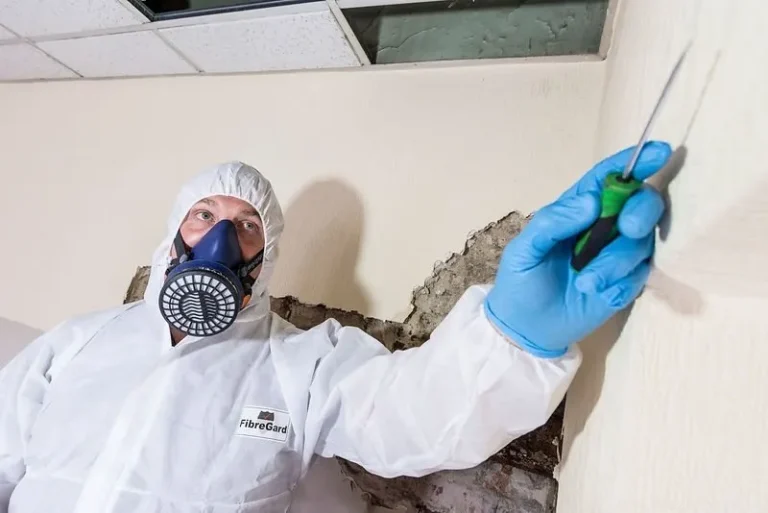
A small representative sample is carefully collected from the suspect material. The sample is then labelled, packaged and sent for laboratory analysis. Only a small amount of material is normally required. However, the sample needs to be representative of the material being investigated. The laboratory then examines the sample to determine whether asbestos fibres are present.
Specialist laboratory methods are used to examine the material and identify asbestos fibres. Polarised Light Microscopy, often shortened to PLM, is an established technique used for asbestos identification in bulk material samples. The laboratory can identify common asbestos types such as: Chrysotile, Amosite, Crocidolite. Your laboratory result will state whether asbestos was detected in the submitted sample and identify the type where applicable.
| Material Type | Where It May Be Found / Typical Use | Why Sampling May Be Needed |
|---|---|---|
| Textured Coatings and Plaster | Older decorative coatings on ceilings and walls in residential and commercial properties. | Not all textured coatings contain asbestos, so laboratory testing may be needed to confirm whether asbestos is present. |
| Ceiling Tiles and Boards | Older ceiling tiles, panels and boards, including materials associated with suspended ceilings or internal linings. | Unknown boards should be assessed before drilling, cutting, removing or disturbing them. |
| Floor Tiles and Adhesives | Older thermoplastic floor tiles and associated adhesives, sometimes hidden beneath newer floor coverings. | Sampling can help confirm whether the tiles or adhesives contain asbestos before removal or refurbishment. |
| Insulation Boards and Panels | Boards historically used for fire protection, insulation and partitioning. | Suspect insulation boards should not be drilled, cut or broken without suitable assessment because disturbance may release fibres. |
| Pipe Lagging and Insulation | Older pipework, boilers, heating systems and service areas. | Some asbestos-containing insulation and lagging can present a higher risk if damaged or disturbed and may require specialist handling. |
| Corrugated Roof Sheets | Roofs on garages, sheds, warehouses, outbuildings and older commercial premises. | Asbestos cement was commonly used in corrugated roofing products, so testing may be appropriate where the material is uncertain. |
| Wall Panels | External or internal panels on older buildings and outbuildings. | Sampling can confirm whether suspected asbestos cement or other asbestos-containing materials are present. |
| Garage Roofs | Older garage and outbuilding roofs. | Many older garage roofs were made from asbestos cement sheets, so confirmation may be needed before repair or removal. |
| Downpipes and Gutters | Rainwater systems on older residential, commercial and industrial buildings. | Some older gutters and downpipes were manufactured using asbestos cement. |
| Flue Products | Older flue pipes, ventilation components and associated building products. | Sampling may be needed where the material cannot be confidently identified visually. |
| Other Suspect Building Materials | Other older building products where the composition is unknown. | Professional assessment can help determine whether targeted asbestos sampling is appropriate. |
Taking an asbestos sample may look simple, but disturbing the wrong material without suitable controls can create unnecessary risk. Professional sampling is designed to obtain the material needed for analysis while keeping disturbance as low as reasonably practicable.
Our sampling service is carried out by trained professionals who understand how to approach suspect materials safely. Before taking a sample, the material and surrounding area are considered so that an appropriate sampling method can be used.
Only the amount of material needed for a representative sample is taken. The aim is to reduce unnecessary damage while still providing enough material for laboratory analysis. The sampling point can also be managed appropriately after collection.
Each sample needs to remain clearly identifiable from collection through to laboratory analysis. Samples are appropriately packaged and labelled with relevant reference information before laboratory submission. This helps maintain clear identification between the material sampled and the laboratory result.
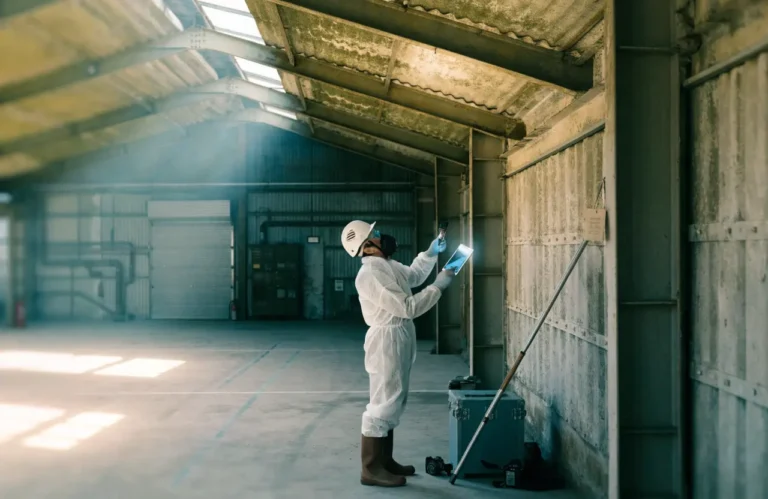
Talk to us about your property, including both Residential & Commercial Asbestos Surveys.
Visual checks and sample collection where needed.
Samples tested for chrysotile, amosite, or crocidolite asbestos.
Includes photos, locations, and material risk ratings.
Next steps for management, encapsulation or safe removal.
We can connect you with licensed asbestos removal contractors if required.
Accurate laboratory analysis is an important part of asbestos testing.
A poor-quality sample or unsuitable laboratory analysis can create uncertainty at exactly the point when you need a clear answer.
Samples collected through our service can be submitted for analysis to a UKAS-accredited laboratory competent in asbestos bulk analysis. UKAS accreditation provides independent assurance that the laboratory operates against recognised competence requirements for the testing activities within its accredited scope.
Polarised Light Microscopy is an established laboratory method used to identify asbestos in bulk material samples. The technique helps analysts examine fibre characteristics and determine whether asbestos is present.
Laboratory analysis can identify common asbestos types, including:
Chrysotile – White Asbestos: Historically one of the most widely used types.
Amosite – Brown Asbestos: Used in products including some insulation boards and thermal insulation.
Crocidolite – Blue Asbestos: Historically used in certain insulation and high-temperature products.
Regardless of type, asbestos-containing materials should be managed appropriately and should not be disturbed without suitable controls.
Your laboratory documentation will state whether asbestos was detected in the submitted sample.
Where asbestos is present, the laboratory result can identify the asbestos type or types detected in that sample.
Clear references help connect each laboratory result to the relevant sampled material. Where several samples are taken, each should have its own reference.
A positive result does not automatically mean the material must be removed. The correct response depends on factors such as: Material type, Condition, Location, Accessibility, Likelihood of disturbance, Planned building work. We can help explain whether further assessment or another asbestos service should be considered.
Receiving a positive asbestos result can be worrying, but asbestos being present does not always mean immediate removal is necessary. The correct response depends on the condition of the ACM and whether it is likely to be disturbed.
Asbestos-containing material that is in good condition, adequately protected and unlikely to be disturbed may often be managed in place. The material may need to be recorded, monitored and protected from accidental disturbance.
Encapsulation involves applying or installing a suitable protective treatment to help prevent fibre release. It may be considered where an ACM is suitable to remain in position but needs additional protection. The suitability of encapsulation depends on the material and its condition.
Removal may need to be considered where:
Removal should be planned according to the type of asbestos work involved.
Some asbestos work must be carried out by a contractor holding the appropriate HSE asbestos licence. Other asbestos work may be non-licensed or notifiable non-licensed work. The correct category depends on the material, condition and nature of the planned work. If removal or remedial work is recommended, we can help you understand the appropriate next step.
We provide asbestos surveys for individual property owners through to organisations managing large portfolios across London.
Property Owners and Landlords
Homeowners, private and commercial landlords, freeholders, leaseholders and property investors.
Property and Estate Management
Managing agents, block managers, facilities and building managers, estate managers, asset managers and portfolio managers.
Housing Providers
Housing associations, social housing providers and local authorities.
Construction and Development
Developers, main contractors and construction companies who need asbestos information before work begins.
Businesses and Dutyholders
Business owners, employers and dutyholders responsible for managing asbestos in non-domestic premises.
Estate and Letting Agents
Agents who need asbestos information for sales, lettings and property management.
Residential
Houses, flats, maisonettes, blocks of flats, HMOs, converted properties, build-to-rent developments, student accommodation and supported living properties.
Commercial and Retail
Offices, business centres, co-working spaces, shops, retail units and shopping centres.
Hospitality and Leisure
Hotels, guest houses, hostels, restaurants, cafés, pubs, bars, gyms and leisure centres.
Industrial
Warehouses, factories, workshops, industrial units, garages and storage facilities.
Education
Schools, nurseries, colleges, universities and training centres.
Healthcare and Care
Care homes, nursing homes, clinics, GP surgeries, dental practices, medical centres and hospitals.
Public and Community Buildings
Council buildings, libraries, community centres and places of worship.
Mixed-Use and Multi-Site
Mixed-use buildings and multi-site property portfolios.
Asbestos testing needs more than a quick sample. You need the right service, controlled collection and a clear laboratory result.
Safety Spectrum London provides practical support from the first enquiry through to the next step.
Our service includes:
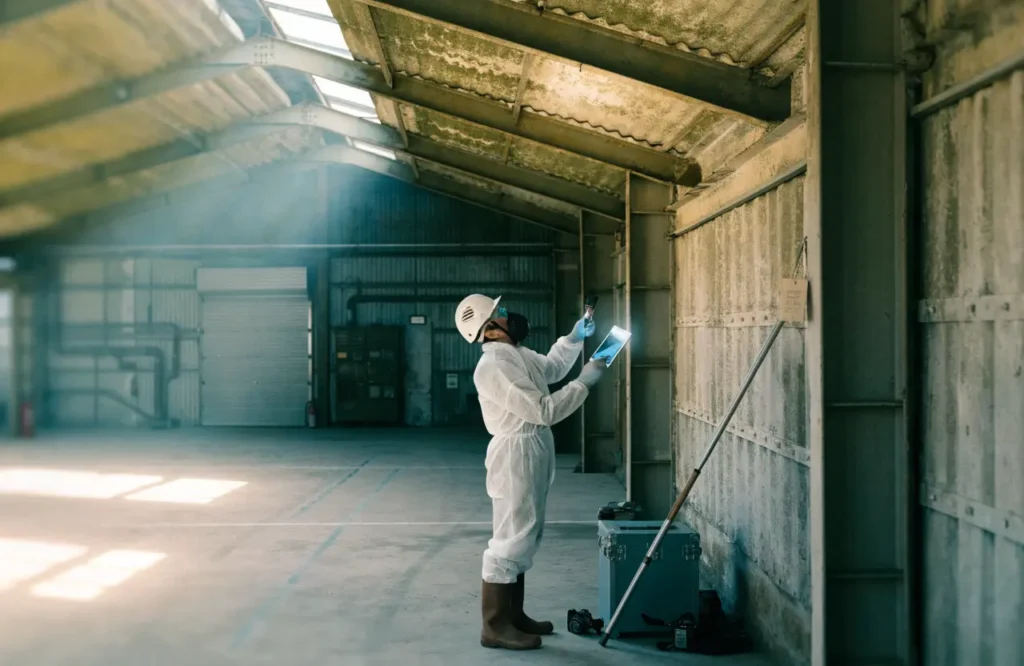
Trained Asbestos Sampling Professionals
Sampling should be carried out with suitable knowledge of the material, location and potential exposure risk. Our approach focuses on obtaining a suitable representative sample while limiting unnecessary disturbance.
Bulk samples can be analysed through a UKAS-accredited laboratory competent in asbestos identification. This gives you laboratory evidence rather than relying on visual assumptions.
We aim to provide information that is easy to understand and useful for your records. Where more than one sample is tested, clear references help you identify which result relates to which material.
We support both residential and commercial clients, from individual suspect materials to requirements across managed properties.
A laboratory result is often only the start of the decision-making process. If asbestos is identified, we can help explain whether monitoring, further surveying, encapsulation, remedial work or specialist removal advice may be appropriate.
Safety Spectrum London provides asbestos sampling and testing across London for residential, commercial and managed properties.
Safety Spectrum London provides asbestos sample and testing services across London, from Central London through to the wider Greater London area and selected surrounding towns.
Central London: We cover Westminster (SW1), City of London (EC1–EC4), Holborn and Bloomsbury (WC1), Covent Garden (WC2), Soho, Mayfair, Marylebone and Fitzrovia (W1), St James’s, Pimlico, Victoria and Belgravia (SW1), South Bank (SE1), Knightsbridge (SW1/SW7), Chelsea (SW3/SW10), Kensington (W8/W14), Paddington and Bayswater (W2), and Notting Hill (W11).
North London: Our asbestos re-inspection coverage includes Highgate (N6), Muswell Hill (N10), Crouch End (N8), Finsbury Park (N4), Archway (N19), Hampstead (NW3), Golders Green (NW11), Finchley (N2/N3/N12), Mill Hill (NW7), Totteridge and Whetstone (N20), Barnet (EN5), Enfield Town (EN2), Palmers Green (N13), Winchmore Hill (N21), Southgate (N14), Edmonton (N9/N18), Bounds Green (N11), Wood Green and Alexandra Palace (N22), Holloway (N7) and Islington (N1).
North West London: We cover Cricklewood (NW2), Kilburn (NW6), Willesden, Neasden and Harlesden (NW10), Wembley (HA9), Alperton (HA0), Kingsbury and Colindale (NW9), Queensbury (HA8), Kenton (HA3), Harrow including Harrow on the Hill, South Harrow, North Harrow and Harrow Weald (HA1–HA3), Pinner (HA5), Ruislip (HA4), Stanmore (HA7), Edgware (HA8), Hendon and Brent Cross (NW4), and Swiss Cottage (NW3).
West London: Safety Spectrum London provides asbestos re-inspections in Acton (W3), Chiswick (W4), Ealing and West Ealing (W5/W13), Northfields (W13), Hanwell (W7), Hammersmith (W6), Shepherd’s Bush and White City (W12), Holland Park (W11), Southall (UB1/UB2), Brentford (TW8), Isleworth (TW7), Hounslow and Osterley (TW3/TW7), Feltham (TW13), Hayes and Harlington (UB3/UB4), Uxbridge (UB8/UB10), Yiewsley and West Drayton (UB7).
South West London: Our coverage includes Putney (SW15), Wandsworth, Earlsfield and Southfields (SW18), Clapham Junction and Battersea (SW11), Balham (SW12), Tooting (SW17), Wimbledon and Colliers Wood (SW19), Raynes Park (SW20), Morden (SM4), Mitcham (CR4), Streatham and Norbury (SW16), Richmond (TW9/TW10), Twickenham (TW1/TW2), Teddington (TW11), Hampton (TW12), Kingston upon Thames (KT1/KT2), Surbiton (KT5/KT6) and New Malden (KT3).
South London: We provide asbestos re-inspection surveys in Brixton (SW2/SW9), Clapham (SW4), Stockwell (SW9), Vauxhall (SW8), Kennington (SE11), Elephant & Castle (SE1/SE17), Camberwell (SE5), Peckham (SE15), Dulwich and Herne Hill (SE21/SE22/SE24), Crystal Palace (SE19/SE20), West Norwood, Upper Norwood and South Norwood (SE19/SE25/SE27), Thornton Heath (CR7), Croydon, Purley, Coulsdon, Addiscombe, Shirley and Selhurst (CR0/SE25).
South East London: Coverage includes Deptford (SE8), New Cross (SE14), Brockley (SE4), Lewisham and Hither Green (SE13), Catford (SE6), Blackheath (SE3), Greenwich (SE10), Eltham (SE9), Woolwich and Plumstead (SE18), Abbey Wood (SE2), Thamesmead (SE28), Bexleyheath (DA6/DA7), Welling (DA16), Sidcup (DA14/DA15), Chislehurst (BR7), Bromley (BR1/BR2), Beckenham (BR3), Orpington (BR5/BR6), Penge, Anerley and Grove Park (SE20/SE12).
East London: Safety Spectrum London covers Shoreditch and Hoxton (EC2/N1), Bethnal Green and Whitechapel (E2/E1), Stepney (E1), Poplar and Canary Wharf (E14), Bow (E3), Stratford (E15/E20), Forest Gate (E7), Plaistow (E13), East Ham (E6), West Ham and Canning Town (E15/E16), Beckton (E6), Barking (IG11), Dagenham and Chadwell Heath (RM6/RM8–RM10), Ilford, Seven Kings and Goodmayes (IG1–IG3), Romford and Gidea Park (RM1–RM7), Hornchurch (RM11/RM12), Upminster (RM14), Wanstead (E11), Leyton and Leytonstone (E10/E11), Walthamstow (E17), Chingford (E4) and Woodford Green (IG8).
Surrounding Towns Near the M25: We also provide asbestos re-inspection services in selected locations around Greater London, including Watford (WD17–WD25), Bushey (WD23), Borehamwood and Elstree (WD6), Potters Bar (EN6), Cheshunt and Waltham Abbey (EN7–EN9), Epping, Loughton and Theydon Bois (CM16/IG10), Chigwell and Buckhurst Hill (IG7/IG9), Brentwood (CM13–CM15), Dartford and Swanley (DA1/DA2/BR8), Epsom and Ewell (KT17–KT19), Leatherhead (KT22), Ashford Middlesex (TW15), Staines-upon-Thames (TW18/TW19), Sunbury and Shepperton (TW16/TW17), and Rickmansworth and Chorleywood (WD3).
If your area is not listed above, contact Safety Spectrum London with your property postcode. We can confirm whether we can arrange an asbestos sample and testing at your location.
If you have found a suspect building material, getting the right information before disturbing it can prevent unnecessary risk and costly delays. Safety Spectrum London can help you determine whether targeted asbestos sampling is suitable, arrange professional sample collection and provide laboratory results through a UKAS-accredited laboratory.
Turnaround depends on the laboratory service selected and when the sample is submitted. Standard and faster laboratory options may be available. We will confirm the expected turnaround when you book.
Not reliably. Many asbestos-containing materials look similar to asbestos-free products. Laboratory analysis is normally required where confirmation is needed.
Asbestos-containing material that remains in good condition and is unlikely to be disturbed can often be managed safely in place. The main concern is when fibres can be released because the material is damaged, deteriorating or disturbed.
We recommend professional sampling where there is a risk of disturbing a suspect material. Incorrect sampling can release fibres, contaminate surrounding areas or result in an unsuitable sample. If you already have a sample, contact us before sending it so the correct submission arrangements can be confirmed.
The asbestos risk should be assessed before work that may disturb suspect materials in an older building. For one isolated material, targeted testing may sometimes be appropriate. For refurbishment or demolition work affecting the building fabric, a suitable Refurbishment and Demolition Survey may be required instead.
Asbestos may be found in older products including textured coatings, asbestos insulating board, cement sheets, ceiling products, floor tiles, pipe insulation, roofing materials and some older fire-resistant products. Their appearance alone does not confirm asbestos content.
Do not disturb the material unnecessarily. The next step depends on its condition, location and whether planned work will affect it. Options may include continued management, monitoring, encapsulation, further assessment or specialist removal.
No. Sampling tests a specific material. An asbestos survey examines a defined property or area to locate and assess possible asbestos-containing materials according to the survey scope. A negative result from one sample does not prove that an entire building is asbestos-free.


© 2026 Safety Spectrum London – All Rights Reserved. Company Reg No.16678881
Live Chat