The only way to be sure that a material in your home contains asbestos is to have it tested by a professional. You can’t safely guess or see what it is. Many things that look safe actually have asbestos fibres in them that can be very bad for your health if you touch them.
Safety Spectrum London offers quick and dependable asbestos sampling, report and testing. We help you get clear, accurate answers right away, whether you are planning a renovation, managing a property, or just need peace of mind.
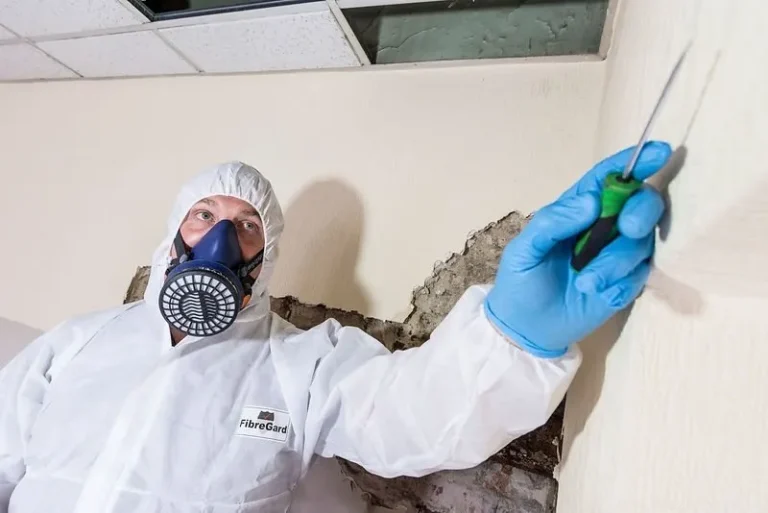
Signs a Material May Contain
Asbestos: Asbestos was used a lot in UK construction until it was completely banned in 1999. If your home was built or remodelled before this time, there is a good chance that some of the materials used may contain asbestos, which is why an asbestos survey service is often recommended.
Some common examples are textured coatings, ceiling tiles, insulation boards, floor tiles, pipe lagging, and roofing sheets. Testing is necessary because these materials often look normal.
Why Asbestos Cannot Be Confirmed by Appearance:One of the biggest lies is that you can see asbestos. In fact, even seasoned experts cannot verify its existence without laboratory examination.
Asbestos-containing materials can look the same as materials that don’t contain asbestos. You can make big mistakes if you rely on assumptions, especially when you’re building something.
Situations Where Immediate Testing Is Required:There are certain situations in which asbestos testing should not be postponed:
Before work on renovations or repairs
Prior to drilling, cutting, or disturbing materials
When purchasing or managing older properties
If materials are found to be damaged
Testing early helps keep things running smoothly later on.
Risks of Disturbing Suspected Materials Without Testing:When you disturb materials that contain asbestos, tiny fibres can get into the air. You can’t see these fibres, and they can stay in the air for a long time.
The Health and Safety Executive says that exposure to asbestos causes more than 5,000 deaths a year in the UK. This is why it’s important to make sure you know who you are before you start working.
Our Gas Safe engineers perform certified inspections to keep your property safe and legally compliant.
We inspect and test your electrical systems to ensure full compliance with the latest UK safety standards.
We provide complete fire safety solutions to protect your property, occupants, and ensure full compliance.
Our accredited surveyors identify and assess asbestos to keep your property safe and compliant with UK regulations.
We deliver fast, accurate EPC assessments to help you meet energy efficiency and letting requirements.
We provide professional fire safety inspections and certification to ensure your property is safe, compliant with current UK fire regulations.
Understanding Asbestos Containing Materials (ACMs):Asbestos is not one material, but a group of naturally occurring minerals known for their heat resistance and durability. When used in building products, they form asbestos-containing materials (ACMs). To ensure safety, professional asbestos sample and testing London is essential.
When these materials are broken or disturbed, they become dangerous.
What Bulk Sample Analysis Involves:Bulk sample analysis is the process of taking a small piece of material that you think might contain asbestos and testing it in a lab to see if it does.
It only takes a very small sample, but it must be taken safely and correctly to avoid contamination.
How Laboratory Testing Identifies Asbestos Fibres:Under strict laboratory conditions, samples are tested with special tools. Polarised Light Microscopy is the most common method. It lets analysts tell the difference between asbestos fibres by looking at how they look.
This method is widely used in the UK and gives results that are accurate and can be defended.
What Your Test Results Will Tell You:Your results will show:
Whether asbestos is present
The type of asbestos detected
The composition of the material
This information is essential for deciding what to do next.
A management survey is designed for buildings in normal use. It identifies ACMs that could be disturbed during day-to-day activities or routine maintenance. This survey is commonly needed for: Commercial premises (offices, retail, warehouses)Communal areas in blocks of flatsRental properties under managed portfoliosFacilities and property management complianceWhat it delivers Clear identification of ACMs (or presumed ACMs where relevant)Condition notes and practical control adviceAn asbestos register and support for a management plan
If you are planning refurbishment, strip-out, or demolition, an R&D survey is normally required before works begin. This survey is more intrusive and focuses on the areas where work will take place. We inspect hidden or concealed areas where asbestos could be present, such as:Walls, floors, ceiling voids, risers, and service routesInsulation boards and legacy panelsLagging and insulation around servicesWhy it matters Helps contractors avoid accidental exposureSupports project planning and timelinesReduces risk of enforcement action and delays
If you already have an asbestos register, materials must be monitored to ensure they remain in stable condition. A reinspection survey checks whether ACMs have changed since the last report due to wear, damage, or maintenance. This helps you: Keep compliance records up to dateMaintain a reliable asbestos registerShow ongoing duty holder management
Are you uncertain about the type of survey you require? We can help you choose the correct survey type and explain what it means for your property. We prioritise safety and compliance in our advice. Where asbestos is found, we guide you on the right next step, which may include safe management, encapsulation, or referral to licensed removal contractors if needed.
Understanding Asbestos Containing Materials (ACMs):Asbestos is not one material, but a group of minerals that occur naturally and are used because they are heat resistant and long-lasting. They become asbestos-containing materials, or ACMs, when they are mixed into building products, which is why asbestos reinspection London services are often required to monitor their condition.
When these materials are broken or disturbed, they become dangerous.
What Bulk Asbestos Sample Analysis Involves:Bulk asbestos sample analysis is the process of taking a small piece of material that you think might contain asbestos in a lab to see if it does.It only takes a very small sample, but it must be taken safely and correctly to avoid contamination.
How Laboratory Testing Identifies Asbestos Fibres:Under strict laboratory conditions, samples are tested with special tools. Polarised Light Microscopy is the most common method. It lets analysts tell the difference between asbestos fibres by looking at how they look.This method is widely used in the UK and gives results that are accurate and can be defended.
What Your Test Results Will Tell You:Your results will show:
Whether asbestos is present,The type of asbestos detected, The composition of the material.This information is essential for deciding what to do next.
It may seem easy to take a sample, but there is a risk if you do not do it right. Our trained staff use controlled methods to reduce the amount of fibre that is released during sampling.
We make sure that the area is treated with care and left in a safe state.
We only take what we need. This cuts down on disruption while still giving enough for a correct analysis.
Most of the time, the effect on your property is very small.
We regularly collect samples from a wide range of materials, including:
Each material requires a slightly different approach.
All Asbestos samples are safely sealed and marked. We follow strict rules for handling things to avoid contamination and make sure that everything can be traced back to its source.
Talk to us about your property, including both Residential & Commercial Asbestos Surveys.
Visual checks and sample collection where needed.
Samples tested for chrysotile, amosite, or crocidolite asbestos.
Includes photos, locations, and material risk ratings.
Next steps for management, encapsulation or safe removal.
We can connect you with licensed asbestos removal contractors if required.
Initial Enquiry and Expert Advice:We begin by getting to know your situation. We help you choose the best option because not every case needs the same approach.
On-Site Sample Collection or Client Sample Submission:You can either have one of our experts come to your property or send a sample straight to our lab if that works better for you.
Secure Packaging and Chain of Custody:Every sample is carefully recorded and followed. This makes sure that everything is honest and accountable from collection to analysis.
Laboratory Analysis Using Approved Methods:Testing is done using UK-approved methods that are well-known. Accuracy is always the most important thing.
Clear Reporting and Result Delivery:You will get a clear and easy-to-understand report after the testing is done. If you need it, we also explain the results.
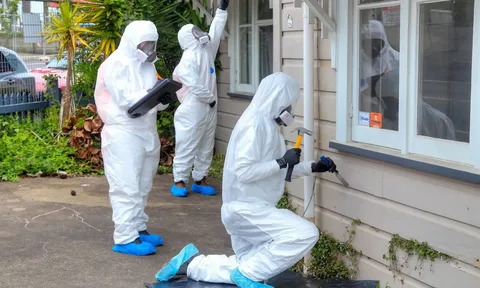
Testing in Line with UKAS Laboratory Standards: We only work with labs that meet strict quality standards set by UKAS. This makes sure that your results are accurate and accepted by the authorities.
Use of Polarised Light Microscopy (PLM): PLM is still the best way for the industry to find asbestos in large amounts of material. It gives results that are accurate and consistent.
Identification of Different Asbestos Types: Testing can find different kinds of asbestos, such as chrysotile, amosite, and crocidolite. Each type has a different level of risk.
Ensuring Reliable and Defensible Results: Testing correctly is not only about safety. It also protects you legally by giving you written proof of what you found.
Risks of DIY Asbestos Sampling:Handling asbestos without proper precautions can expose you to harmful fibres.
When DIY Testing Kits May Be Used:In some low-risk situations, sample kits can be used. However, they must be handled carefully.
Why Professional Sampling Is Safer and More Accurate:Professionals reduce the risk of exposure and ensure the sample is suitable for testing.
Avoiding Contamination and Exposure:Incorrect sampling can spread fibres and create a bigger problem than before.
Understanding the Risk Level of the Material:Not all types of asbestos are dangerous right away. The risk is based on the situation and the place.
Whether Removal, Encapsulation or Monitoring Is Needed:The choices depend on the situation. In a lot of cases, it’s safe to handle materials without taking them away.
When Licensed Contractors Are Required:There are strict rules about how licensed professionals can handle certain types of asbestos.
Next Steps to Stay Safe and Compliant:We help you understand the safest and most practical way forward.
Responsibilities Under the Control of Asbestos Regulations 2012:People who own property and people who have duties must deal with asbestos risks in the right way. This means figuring out what materials are needed and how to use them before work starts.
Duties for Landlords and Property Managers:Landlords must make sure that their tenants are not at risk of being exposed to asbestos. This is a big part of it.
Health Risks Linked to Asbestos Exposure:Long-term exposure can cause serious diseases like lung cancer and mesothelioma.
Importance of Proper Identification Before Work Begins:Not carrying out an asbestos testing before starting work can cause legal problems, delays, and higher costs.
Residential Properties and HMOs:Common in older homes where materials may still be present.
Commercial and Industrial Buildings:Often require testing before maintenance or refurbishment.
Refurbishment and Maintenance Projects:Testing ensures safe working conditions for contractors.
Support for Landlords, Agents and Contractors:We regularly assist professionals managing multiple properties.
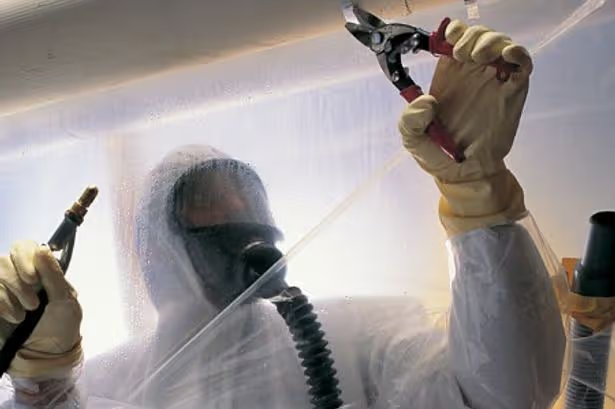
The price depends on how many samples you need and how quickly you need them. We give clear quotes ahead of time.
Most results are ready in 24 to 48 hours.
If it is in good shape and not disturbed, it is usually safe.
Yes, but you have to be careful to avoid risk.
Common examples are ceilings, insulation boards, floor tiles, and coatings.
Yes, especially in homes built before 2000.


© 2026 Safety Spectrum London – All Rights Reserved. Company Reg No.16678881
Live Chat