Most residential and commercial properties in London must have an EPC Certificate when they are sold, rented or marketed. Safety Spectrum London provides accredited Energy Performance Certificate (EPC) assessments throughout London for landlords, homeowners, estate agents, property managers, developers and commercial property owners who require a fast, compliant and government registered certificate.
If you need a domestic EPC for a flat in Westminster, a commercial EPC for an office in the City of London or a portfolio assessment on a number of rental properties across Greater London, our qualified assessors can provide clear guidance, transparent pricing and prompt turnaround times. All certificates are registered on the official UK Government EPC Register and are 100% compliant with current regulations.
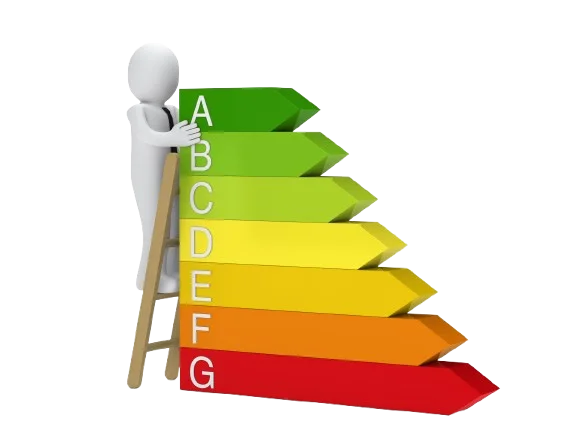
Fast EPC Assessments for Residential and Commercial Properties: Safety Spectrum London provides professional EPC Certificates across Greater London for landlords, homeowners, estate agents, property managers, and commercial property owners. We deliver accurate, compliant assessments with fast turnaround times and straightforward booking.
Accredited Assessors and Official EPC Register Lodgement: Every EPC is completed by a qualified and accredited assessor and lodged on the official Government EPC Register. This ensures your certificate is legally valid for property sales, lettings, lease agreements, and compliance purposes.
Fast Turnaround and Transparent Service: Most EPC reports are issued within 24–48 hours of the inspection, with urgent appointments available where possible. Our team focuses on clear communication, transparent pricing, and a hassle-free experience from start to finish.
Book Your EPC Assessment Today: Whether you need a domestic EPC, Commercial EPC, or multiple certificates for a property portfolio, Safety Spectrum London is here to help. Contact our team today to arrange your EPC assessment and receive professional compliance support.
Studio
£69
1–3 Bedrooms
£79
4 Bedrooms
£89
5 Bedrooms
£99
EPC Certificate Cost in London: The price of an EPC in London depends on several factors, including property type, floor area, building complexity, access requirements, and whether the assessment is residential or commercial.
Domestic EPC Pricing for Flats, Houses and Rental Properties
Domestic EPC assessments are generally the most affordable option because residential properties follow a standardised assessment methodology. The time required typically depends on the property’s size, age, construction type, and accessibility.
Typical examples include:
Property Type | Typical Assessment Time |
Studio Apartment | 20–30 Minutes |
One-Bedroom Flat | 20–40 Minutes |
Two-Bedroom Flat | 30–45 Minutes |
Three-Bedroom House | 45–60 Minutes |
Larger Houses | 60–90 Minutes |
HMOs | Variable Depending on Layout |
Larger properties usually require more detailed measurements and inspection time, which can affect pricing. Victorian terraces, converted flats, listed properties, and complex layouts may also require additional assessment work.
Commercial EPC costs vary significantly because non-domestic buildings often require more detailed data collection and energy modelling.
Factors affecting commercial EPC pricing include:
Commercial properties commonly assessed include: Offices, Retail units, Restaurants, Warehouses, Industrial buildings, Medical facilities, Educational premises, Mixed-use developments. In our experience, commercial EPC assessments take longer because building services, occupancy patterns, and energy systems are typically more complex than residential properties.

For new-build properties a different type of assessment is needed, a SAP EPC (Standard Assessment Procedure). These assessments are usually carried out during the design and construction process and are often a requirement for Building Control approval.
SAP calculations consider: Construction materials, Insulation specifications, Heating systems, Ventilation systems, Renewable technologies, Window and door performance. Developers, architects and builders often need SAP assessments and other compliance documentation prior to completion of a project.
The first step is arranging a convenient appointment with a qualified EPC assessor. To provide an accurate quotation and allocate the correct assessment type, several details are usually required before booking. This typically includes: Property address, Property type, Number of bedrooms or floor area, Residential or commercial use, Access arrangements, Preferred appointment date, Urgency requirements
The EPC inspection forms the foundation of the certificate because the final rating is based entirely on the information collected during the visit. During the assessment, the assessor will gather data relating to:Property dimensions, Construction type, External walls, Roof construction, Floor construction, Loft insulation, Wall insulation, Windows and glazing, Heating systems, Hot water systems, Heating controls, Fixed lighting, Renewable technologies, Ventilation systems. For commercial properties, additional information may also be collected regarding building services, occupancy characteristics, and energy-consuming systems.
Accurate measurements play a significant role in determining an EPC rating. The assessor records the property's dimensions, floor areas, layout, and construction details to ensure calculations reflect the building's actual performance. In practice, older London properties often present unique characteristics that require careful assessment. Victorian terraces, converted flats, Georgian townhouses, listed buildings, and mixed-use premises can all have features that affect energy performance differently.
A significant portion of the EPC score is influenced by how efficiently the property retains heat and how effectively energy is used. The assessor will review: Boiler efficiency, Electric heating systems, Heat pumps, Hot water cylinders, Programmable thermostats, Thermostatic radiator valves, Double or triple glazing, Loft insulation levels, Cavity wall insulation, Solid wall insulation, Solar photovoltaic panels, Renewable energy systems. Many property owners are surprised to learn that relatively small improvements can sometimes produce noticeable changes to an EPC rating.
Once the inspection has been completed, the collected data is entered into approved government software to generate the property's energy efficiency score. The software calculates: Current EPC rating, Potential EPC rating, Estimated energy costs, Carbon dioxide emissions, Recommended improvements, Predicted savings. The methodology used is standardised across England and Wales, ensuring consistency regardless of who performs the assessment. This means that a property assessed in Westminster follows the same calculation framework as a property assessed anywhere else in the country.
An EPC is not legally valid until it has been lodged on the official Government EPC Register. After calculations are completed, the certificate is uploaded to the register and assigned a unique report reference number. This creates an official record that can be verified by landlords, tenants, solicitors, buyers, estate agents, and enforcement authorities. Government registration provides confidence that the certificate has been produced through an approved process and meets regulatory requirements.
Once registered, the EPC report is issued to the client electronically. The report typically includes: EPC rating (A–G), Potential rating, Environmental impact rating, Estimated running costs, Recommended improvements, Improvement cost estimates, Expected savings, Certificate reference number Most clients receive their completed certificate within 24 to 48 hours following the inspection, although urgent services may be available depending on assessor availability.
Assessment times vary depending on property size and complexity.
Property Type | Typical Inspection Time |
Studio Flat | 20–30 Minutes |
One-Bedroom Flat | 20–40 Minutes |
Two-Bedroom Flat | 30–45 Minutes |
Three-Bedroom House | 45–60 Minutes |
Larger Houses | 60–90 Minutes |
Commercial Premises | Variable |
Most residential EPC inspections are completed quickly, but larger commercial buildings may require additional time due to more complex layouts and services.

During an Energy Performance Certificate assessment, the assessor evaluates the features that influence energy consumption, heat retention, carbon emissions, and running costs. Understanding what is inspected helps property owners prepare effectively and ensures energy-saving improvements are recognised wherever possible.
One of the first elements assessed is the property’s overall size and layout. Accurate measurements are essential because floor area directly affects energy calculations and estimated consumption figures.
The assessor records:
Larger properties generally require more energy to heat, but layout efficiency and insulation standards can have an equally significant impact on the final EPC rating.
The way a property is constructed plays a major role in determining its energy performance. Different construction methods retain and lose heat at different rates.
The assessor will identify:
Older London properties often require particularly careful assessment because many Victorian, Edwardian, and Georgian buildings were constructed before modern insulation standards existed.
Roof insulation is often one of the most cost-effective energy improvements available to property owners. Heat naturally rises, making roof insulation a major factor in reducing energy loss.
During the inspection, the assessor may record:
Where insulation cannot be verified through visible evidence or supporting documentation, the assessment must follow approved evidence rules.
This is one reason why keeping records of insulation works can be beneficial.
Walls can account for a significant proportion of heat loss within a building. The assessor will determine whether insulation measures are present and whether they can be evidenced.
This may include:
Properties with effective wall insulation often achieve noticeably stronger energy performance ratings than similar buildings without insulation upgrades.
Windows, Doors and Glazing Performance
Glazing is another important contributor to energy efficiency. Modern windows can significantly reduce heat loss and improve occupant comfort.
The assessor reviews:
Many property owners are surprised to learn that replacing inefficient glazing can positively influence both EPC ratings and long-term energy costs.
Heating systems are among the most heavily weighted elements within an EPC assessment because they directly influence fuel consumption and operating costs.
The assessor records information relating to:
Additional information may also be collected regarding manufacturer details, installation age, and efficiency ratings where evidence is available.
A modern, efficient heating system can substantially improve a property’s overall EPC score.
The efficiency of a heating system is not determined solely by the boiler itself. The controls used to manage heating also influence performance.
Assessors review:
Properties with modern heating controls typically perform more efficiently because energy is used only when and where it is needed.
Hot water production forms part of the EPC calculation because it contributes to overall energy consumption.
The assessment may consider:
Well-insulated hot water storage systems can contribute positively to overall energy efficiency.
Lighting may seem like a minor factor, but efficient lighting throughout a property can positively influence EPC calculations.
The assessor records:
Switching to LED lighting is often one of the simplest and lowest-cost recommendations found within EPC reports.
Renewable technologies can significantly improve a property’s energy performance rating and environmental impact score.
The assessor may record:
Where renewable technologies are installed, documentary evidence can help ensure the assessment reflects their full contribution.
Ventilation affects both energy efficiency and occupant comfort. The assessor will review visible ventilation features where relevant.
This can include:
The objective is to understand how the property manages airflow while maintaining energy performance.
One of the most overlooked aspects of an EPC inspection is documentary evidence. Without acceptable evidence, certain energy improvements cannot always be included within the assessment.
Helpful documents include:
Providing supporting evidence before the inspection can help ensure the property receives the most accurate rating possible.
Many property owners unintentionally reduce assessment accuracy by failing to prepare documentation or understand evidence requirements.
Common issues include:
In our experience, preparing these documents before the visit often results in a smoother assessment and a more accurate final certificate.
We provide house energy performance certificates for flats, houses, HMOs, and apartments across London. Our assessors use approved RdSAP software to calculate insulation, heating, and lighting efficiency. Each certificate is registered officially and emailed to you as a digital PDF perfect if you need to download your energy performance certificate quickly.
We perform Level 3 & 4 EPC assessments for offices, retail spaces, warehouses, and industrial properties. Every energy performance certificate EPC cost UK-wide is tailored to the size and complexity of your building. We follow SBEM methodology and Part L Building Regulations, ensuring total compliance for business premises.
SAP EPCs (Standard Assessment Procedure Energy Performance Certificates) are required for newly built residential properties to demonstrate compliance with Part L Building Regulations. Our qualified assessors provide accurate SAP calculations and EPC certification for new-build homes, conversions, extensions, and residential developments across London.
Not all EPC assessors can assess every property type.
Domestic EPCs are carried out by qualified:
Commercial EPCs are carried out by qualified:
This distinction is important because commercial buildings often require specialist knowledge of:
Using a properly qualified assessor ensures the certificate complies with current regulations and industry standards.

Residential assessments focus primarily on features affecting household energy efficiency.
Typical assessment areas include: Loft insulation, Wall insulation, Windows and glazing, Heating systems, Hot water systems, Heating controls, Fixed lighting, Renewable technologies, Property dimensions, The objective is to calculate how efficiently the property uses energy while identifying opportunities for improvement.
Commercial assessments involve a broader review of building services and operational energy systems.
This may include: Heating systems, Air conditioning systems, Ventilation systems, Commercial lighting, Building controls, Insulation, Building fabric, Renewable technologies, Floor area calculations, Occupancy characteristics. Larger commercial properties often require more extensive surveys due to the complexity of these systems.
An EPC is not just a certificate – it is a legal requirement that could affect your ability to sell, rent or manage a property. Landlords, homeowners, estate agents and owners of commercial property must ensure they are complying with current energy performance regulations to avoid compliance problems and possible penalties.
In most cases, yes. A valid EPC is required when a property is sold, rented, or marketed and provides important information about energy efficiency, running costs, carbon emissions, and recommended improvements. Failure to provide a valid EPC when required may result in enforcement action by the local authority.
Minimum Energy Efficiency Standards (MEES) Explained: For landlords, EPC compliance goes beyond just getting the certificate. Current MEES regulations require all but the most exceptional privately rented properties to have a minimum EPC rating of E, unless a valid exemption applies. This means that the EPC rating is an important element of legal compliance.
The EPC is valid for a period of 10 years from the date of issue. Once the period has expired it cannot be used for new property transactions and a new assessment may need to be completed before the property can be marketed or let.
Some properties, such as listed buildings, places of worship, temporary structures and some industrial sites may be eligible for EPC exemptions. Exemptions are, however, case by case and should be verified before reliance is placed in them.
Energy efficiency requirements continue to evolve as the UK works towards long-term carbon reduction targets. Many landlords are already reviewing low-rated properties, planning upgrades, and improving portfolio efficiency to stay ahead of future compliance requirements.
If you need an EPC, it is best to arrange it early. It avoids delays and keeps your sale or tenancy moving forward.You can book your EPC inspection or request a quote depending on your situation.If you are unsure whether your existing EPC is still valid or which service you need, just get in touch. We will guide you clearly and help you get it sorted without unnecessary delays.
Central London: Westminster, City of London, Holborn, Covent Garden, Soho, Mayfair, Marylebone, Fitzrovia, Bloomsbury, St James’s, Pimlico, South Bank, Victoria, Belgravia, Knightsbridge, Chelsea, Kensington, Paddington, Bayswater, Notting Hill.
North London: Highgate, Muswell Hill, Crouch End, Finsbury Park, Archway, Hampstead, Golders Green, Finchley, Mill Hill, Totteridge, Whetstone, Barnet, Enfield Town, Palmers Green, Winchmore Hill, Southgate, Edmonton, Bounds Green, Wood Green, Alexandra Palace, Holloway, Islington.
North West London: Cricklewood, Kilburn, Willesden, Neasden, Harlesden, Wembley, Alperton, Kingsbury, Queensbury, Kenton, Harrow, Pinner, Ruislip, Stanmore, Edgware, Colindale, Hendon, Brent Cross, Swiss Cottage.
West London: Acton, Chiswick, Ealing, West Ealing, Northfields, Hanwell, Hammersmith, Shepherd’s Bush, White City, Holland Park, Southall, Brentford, Isleworth, Hounslow, Osterley, Feltham, Hayes, Harlington, Uxbridge, Yiewsley, West Drayton.
South West London: Putney, Wandsworth, Clapham Junction, Battersea, Balham, Tooting, Earlsfield, Southfields, Wimbledon, Raynes Park, Morden, Colliers Wood, Mitcham, Streatham, Norbury, Richmond, Twickenham, Teddington, Hampton, Kingston upon Thames, Surbiton, New Malden.
South London: Brixton, Clapham, Stockwell, Vauxhall, Kennington, Elephant & Castle, Camberwell, Peckham, Dulwich, Herne Hill, Crystal Palace, Norwood, Thornton Heath, Croydon, Addiscombe, Shirley, Selhurst.
South East London: Deptford, New Cross, Brockley, Lewisham, Catford, Hither Green, Blackheath, Greenwich, Eltham, Woolwich, Plumstead, Abbey Wood, Thamesmead, Bexleyheath, Welling, Sidcup, Chislehurst, Bromley, Beckenham, Orpington, Penge, Anerley, Grove Park.
East London: Shoreditch, Hoxton, Bethnal Green, Whitechapel, Stepney, Poplar, Bow, Canary Wharf, Stratford, Forest Gate, Plaistow, East Ham, West Ham, Canning Town, Beckton, Barking, Dagenham, Ilford, Seven Kings, Goodmayes, Chadwell Heath, Romford, Gidea Park, Hornchurch, Upminster, Wanstead, Leyton, Leytonstone, Walthamstow, Chingford, Woodford Green.
Areas Surrounding the M25: Watford, Bushey, Borehamwood, Elstree, Potters Bar, Cheshunt, Waltham Abbey, Epping, Loughton, Theydon Bois, Chigwell, Buckhurst Hill, Brentwood, Upminster Bridge, Dartford, Swanley, Epsom, Ewell, Leatherhead, Ashford (Middlesex), Staines-upon-Thames, Sunbury, Shepperton, Rickmansworth, Chorleywood.
An Energy Performance Certificate or EPC is a document that provides an official assessment of the energy efficiency and environmental impact of a property. It is graded from A (most efficient) to G (least efficient) and contains recommendations for improving energy performance.
An EPC is valid for 10 years from the date of issuance. You only need a new certificate if your current EPC has expired or if you want to get a new rating after making significant energy improvements.
Yes, most properties sold, rented or newly built in London legally need an EPC. Failure to provide a valid EPC document may lead to enforcement action and financial penalties.
Only qualified and accredited EPC assessors or EPC contractors UK registered under Elmhurst or Stroma.
Most private rented properties must meet a minimum energy performance rating of E or above. Properties with a F or G rating may need improvements made or be registered with an exemption before they can be legally rented out.
In most cases, no. A valid EPC must be available before a property is advertised for rent, and failure to comply can lead to penalties and enforcement action.
The cost of an EPC depends on the size, type, location and complexity of the property. Commercial EPCs tend to be more expensive than domestic ones, and quotes are usually based on property details.
Most domestic EPCs take 30-60 minutes to complete; Larger homes, HMOs and commercial properties may take longer depending on the size and layout of the property.
The assessor looks at factors affecting energy efficiency including heating systems, insulation, glazing, lighting, hot water systems and property dimensions. The official EPC rating is calculated using this information.
Preparation is simple and usually involves providing access to all rooms, loft spaces and utility areas. Any documentation related to insulation, glazing or energy upgrades can help.
Yes, improvements like loft insulation, LED lighting, double glazing, efficient boilers and heating controls can often improve a property’s EPC rating. The EPC report will recommend the best improvements.
Properties with an F or G rating may face restrictions when being rented unless a valid exemption applies. Energy efficiency improvements are often required to achieve compliance.
Yes, many commercial properties require a valid EPC when sold, leased, or newly constructed. This includes offices, retail units, warehouses, restaurants, and other non-domestic buildings.
A domestic EPC assesses residential properties, while a commercial EPC evaluates non-domestic buildings using different calculation methods. Commercial assessments often involve more complex systems and larger premises.


© 2026 Safety Spectrum London – All Rights Reserved. Company Reg No.16678881
Live Chat