
We help property owners, landlords, and managers learn about the fire risks in their homes. We look at the building, tell you what we find in simple terms, and give you helpful tips on how to make it safer from fires and make sure it follows UK fire safety laws.
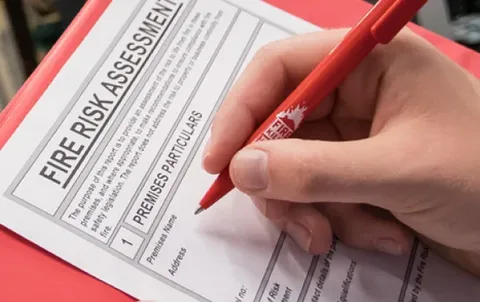
There is no single approach to residential fire risk assessments. Every building has a different layout, occupancy level, and fire safety arrangements. Our assessments are tailored to the specific property so landlords and responsible persons can clearly understand the fire risks and their legal responsibilities.
Blocks of flats usually include shared corridors, staircases, entrances and service areas. These communal spaces must comply with fire safety regulations.
We assess escape routes, building layout, and fire protection measures to ensure residents can evacuate safely and that fire risks within shared areas are properly controlled.
Studio / 1-Bed
£79
1–3 Bedrooms
£139
4-6 Bedrooms
£169
Communal Area only
£120
For businesses, offices, stores, restaurants, gyms, and more. Our main concerns are the safety of our employees, the safety of our customers.
For HMOs that have a licence and those that don't. We make sure that we follow the rules set by the local government and our licenses.
For blocks that were built for a specific purpose or changed. We look at stairwells, hallways, communal areas, and fire separation.
HMOs often have higher fire risks due to multiple households sharing facilities such as kitchens and hallways. Higher occupancy levels and building alterations can increase these risks.
Our assessments help landlords identify hazards, review escape arrangements, and ensure the property meets fire safety requirements for multi-occupied housing.
Many London properties were originally built as single homes and later converted into flats. These conversions can create fire safety issues such as poor compartmentation or unsuitable escape routes.
We review the building structure, fire doors and fire separation to ensure fire spread is limited and residents can exit safely in an emergency.
We provide fire risk assessments for a wide range of residential duty holders, including:
Our aim is to help responsible persons understand their legal duties and manage fire safety across their properties.
A residential fire risk assessment is not only a legal requirement. It is a key step in preventing fires, protecting residents, and managing safety within residential buildings.
Who Is Responsible for Fire Risk Assessments in Residential Buildings
Property owners often ask who is legally responsible for arranging a fire risk assessment. In most residential buildings, responsibility lies with the person or organisation that controls the communal areas.
Fire safety in residential buildings is governed by several key pieces of legislation designed to protect occupants and ensure buildings are properly managed.
The Fire Safety Order makes it the legal responsibility of responsible people to look at and deal with fire risks in the parts of a building that they are in charge of. For homes, this usually means shared areas like stairwells and hallways.
The Fire Safety Act clarified that certain elements of residential buildings must be included in fire risk assessments, including flat entrance doors and external walls where they affect fire spread.
Additional regulations introduced specific requirements for some residential buildings, including improved communication with residents and maintenance of fire safety systems.
Fire risk assessments should not remain static. They should be reviewed when:
Regular reviews ensure the assessment remains accurate and effective.
A thorough residential fire risk assessment examines both the building itself and how people use it.
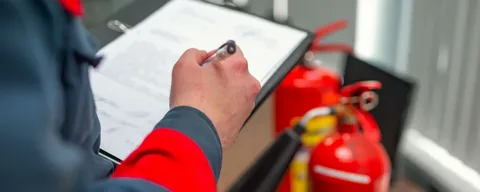
Many residential fire safety issues arise from everyday building use rather than major structural problems.
All tests performed comply with written RAMS (Risk Assessment And Method Statement) for total HSE compliance.
You can book an appointment over the phone or online. Same-day and weekend appointments are available across London.
Our experienced assessor visits your property to carry out a full survey in accordance with PAS 79.
You receive a professional report and Fire Risk Assessment Certificate within 24 hours.
We explain our findings, suggest corrective actions, and can quote instantly for remedial work.
Once the assessment is completed, you will receive documentation explaining the findings and recommended improvements.
Comprehensive residential fire risk assessment report:The report explains the current fire safety arrangements within the building.
Prioritised action plan for improving fire safety:Recommendations are organised so the most urgent safety issues can be addressed first.
Clear recommendations to reduce fire hazards:Practical advice is provided to help improve fire safety measures.
Documentation suitable for compliance and property records:The report can be retained as part of your fire safety documentation.
Fire risk assessments often highlight areas where improvements can be made.
Understanding the findings in your fire risk assessment report:The report explains the issues identified and the level of risk they present.
Prioritising improvements to reduce fire risks:Urgent issues should be addressed first to reduce potential hazards.
Planning fire safety upgrades or remedial works:Some findings may require upgrades to fire safety systems or building features.
Maintaining ongoing fire safety management for the property:Regular maintenance and review help ensure fire safety measures remain effective.
Choosing a qualified fire risk assessor is important to make sure the assessment is correct and helpful.
Our assessments are designed to provide clear, practical guidance that property owners can rely on.
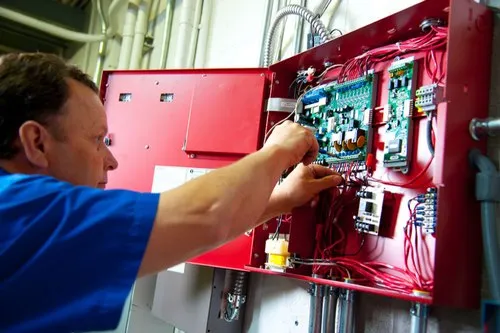
We provide Commercial Fire Risk Assessment services across London, supporting businesses in a wide range of sectors and property types.
If you own a home in London, hiring a professional to do a fire risk assessment is an important step in keeping residents safe and following the law.
Not every house needs a fire risk assessment. The law mostly applies to buildings with shared or communal spaces, like HMOs, blocks of flats, or mixed-use residential buildings. Usually, single-family homes that are only used by one household don't need a formal assessment.
The fire risk assessment in most homes looks at shared spaces that the Responsible Person is in charge of, like hallways, staircases, and entrances. Most of the time, private flats aren't checked inside, but the doors to the flats may still be looked at because they help keep fire and smoke from spreading.
The time it takes depends on how big and complicated the building is. It can take one to two hours for smaller properties, but it can take longer for larger residential blocks because they have more floors and shared spaces.
It is important to check fire risk assessments on a regular basis to make sure they are still correct. It is a good idea to review building layouts when they change, when they are being renovated, when the number of people living there changes, or after a fire.
The assessment report will list the problems and suggest ways to make things safer if any are found. These could be things like fixing fire doors, upgrading fire alarms, making escape routes better, or putting in emergency lighting.
You can use a professionally written fire risk assessment report as part of your fire safety paperwork. It helps show that fire risks have been properly evaluated and handled, which may be required by property management companies, insurers, or local governments.


© 2025 Safety Spectrum London – All Rights Reserved. Company Reg No.16678881
Live Chat