
When you are in charge of a property, like a single flat, a block of flats, or a business space, safety is not just a list of things to do. It has a direct impact on following the law, the health of tenants, and even whether a sale or lease goes through without a hitch.
People often ask for both fire risk assessments and asbestos surveys at the same time, especially in London, where buildings are very different in age and use. A lot of property owners don’t always know what they need or when they need it. This page is meant to make that clear so you can move forward with confidence instead of guessing.
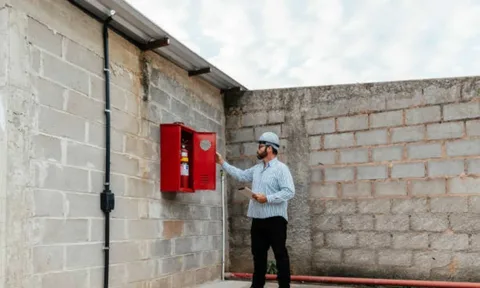
For homes, apartments, and buildings with shared spaces. We check the lighting, alarms, fire doors, escape routes and shared spaces.
For businesses, offices, stores, restaurants, gyms, and more. Our main concerns are the safety of our employees, the safety of our customers.
For blocks that were built for a specific purpose or changed. We look at stairwells, hallways, communal areas, and fire separation.
For HMOs that have a licence and those that don't. We make sure that we follow the rules set by the local government and our licenses.
Whether you need a fire risk assessment, an asbestos survey, or both usually depends on what you do and what’s going on with the property. In real life, most of our clients come to us because something has made them need us, like a sale, a compliance check, or planned work.
You are legally responsible for making sure that any property you own or manage is safe. For landlords and property managers, this often means keeping fire risk assessments up to date and keeping an eye on asbestos risks in common areas or parts of buildings that aren’t homes.
This is less about paperwork and more about lowering risk in real life. If you don’t have a report or it’s out of date, you could face enforcement action, problems with insurance, or delays when dealing with tenants or the government.
One of the most common places where people get confused is in blocks of flats. Not every flat needs the same level of assessment, but most communal areas do. Fire safety rules and asbestos management duties apply to hallways, staircases, and shared spaces.
Converted buildings, especially older homes that have been turned into apartments, are often more dangerous. These buildings may have asbestos in them and complicated fire safety plans, so it’s important to do a proper assessment.
When it comes to legal duty, commercial properties are easier to deal with. A fire risk assessment is needed if the space is going to be used for business. UK rules also say that you have to take care of asbestos in a building if it has it or is likely to have it.
Mixed-use properties can be harder to deal with. For instance, a store with apartments above it may need to think about both residential and commercial issues. This is why combined assessments are often the best way to go.
During a transaction, it’s common for buyers, lenders, or solicitors to ask for both a fire risk assessment and an asbestos survey. This is especially true for apartments in buildings that are shared or older.
At this point, things often get delayed because reports are missing or hard to understand. Having both documents ready can help things go smoothly and stop problems from coming up at the last minute.
An asbestos survey is very important if any building work is planned, especially if it will involve moving walls, ceilings or other structural parts. Without it, you could be exposing dangerous fibres, which could have serious health effects and legal consequences.
This is one of the most common places that people don’t look, especially in smaller projects where they think there isn’t any asbestos.
Asbestos is more likely to be found in buildings that were built before 2000. That doesn’t mean there is a danger right away, but it does mean that the risk needs to be understood and handled correctly.
Older buildings also tend to have more complicated problems with fire safety. If not properly assessed, changes to the layout, old materials, and old systems can all make things more dangerous.
Up to 3 Floors (Communal Area)
£119
3–5 Floors (Communal Area)
£239
5–10 Floors (Communal Area)
£299
(Whole Building)
On Call
Studio / 1-Bed
£79
1–3 Bedrooms
£139
4-6 Bedrooms
£169
Communal Area only
£120
A fire risk assessment is a planned look at how a fire could start, how it could spread, and what people would do if it did. It’s not enough to just find dangers. It’s about knowing how risky the building really is based on how it’s used.
Finding out what could start a fire is always the first step. This includes things like electrical systems, cooking tools, heating sources, and things that are stored.
It’s just as important to find out who is in danger. This includes both tenants and visitors in residential buildings. In business settings, it includes workers, clients, and contractors.
Escape routes must be easy to see, get to, and work for the number of people who live there. This includes stairs, hallways, and doors.
The test also looks at how people would leave in an emergency. This is a big risk if the routes are blocked, poorly lit, or hard to understand.
Fire safety systems only work if they are put in place and kept up to date. This includes alarms, lights that come on in an emergency, fire extinguishers, and signs.
The assessment looks at whether these systems are right for the building and whether they will work as planned in an emergency.
A busy restaurant or a residential building with many people living in it is very different from an office that is quiet.
Management is also important. Regular maintenance, clear rules, and responsible supervision can greatly lower risk.
The final report outlines key findings and prioritises actions. This helps property owners focus on what needs to be addressed first rather than trying to fix everything at once.
Clear, practical recommendations are essential here. The goal is not just to identify problems, but to provide a realistic path to compliance.
Under UK law, a “responsible person” must ensure fire safety measures are in place. This could be a landlord, employer, or managing agent.
Understanding this role is important because it defines who is accountable if something goes wrong.
An asbestos survey focuses on identifying materials that may contain asbestos and assessing whether they pose a risk. It’s a technical process, but the outcome should be simple to understand and act on.
Surveyors look for materials that are known to commonly contain asbestos, such as insulation, ceiling tiles, and certain types of flooring.
This is done through a combination of visual inspection and, where necessary, sampling.
Not all asbestos is dangerous. The risk depends on its condition and whether it is likely to be disturbed.
Materials in good condition may be safe if left undisturbed, while damaged or exposed materials can pose a serious health risk.
Where there is uncertainty, samples are taken and analysed in a laboratory. This ensures accurate identification of asbestos-containing materials.
Reliable testing is essential. Incorrect results can either create unnecessary concern or leave real risks unaddressed.
The report may form part of an asbestos register, which records where materials are located and how they should be managed.
Recommendations may include monitoring, encapsulation, or removal, depending on the level of risk.
In many cases, asbestos can remain in place safely if it is properly managed.
However, if it is damaged or likely to be disturbed, action will be required to reduce the risk.
Under UK law, there is a clear duty to manage asbestos in non-domestic premises and communal areas.
This includes identifying materials, assessing risk, and ensuring appropriate measures are in place to prevent exposure.
Do You Need a Fire Risk Assessment, an Asbestos Survey or Both
We get this question a lot. It depends on what kind of property you have and what you plan to do with it.
The difference between fire risk assessment and asbestos survey requirements:A fire risk assessment is all about fire safety. An asbestos survey looks for dangerous materials. They deal with different kinds of risks, but they are both part of following the rules.
When a communal area assessment may be enough and when it is not:In some cases, only public areas need to be checked. In some cases, like when work is planned, more detailed surveys may be needed.
The key difference between normal occupation and planned building works:A management survey may be enough if the building is being used normally. A more intrusive survey is usually needed if work is planned.
How property type, age and use affect the reports you may need:Buildings that are older, have more than one tenant, or are used for business are more likely to need both types of assessments.
How lenders, solicitors, buyers and managing agents may influence requirements:These reports are often asked for by people outside the company. It’s important to have clear and acceptable paperwork because their needs can change.
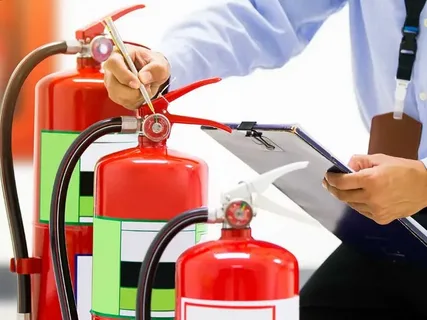
Choosing the correct survey type is important. Getting this wrong can lead to delays, additional costs, or incomplete compliance.
Management surveys for occupied buildings and ongoing compliance:These are designed for buildings in normal use. They identify risks without causing unnecessary disruption.
Refurbishment surveys before intrusive works and upgrades:These are more detailed and involve accessing hidden areas. They are required before most building works.
Demolition surveys before structural removal or full strip-out:These are the most comprehensive and are required before demolition or major structural changes.
Why choosing the wrong survey can delay works and increase risk:If the survey doesn’t match the work being carried out, it may not meet legal requirements. This can lead to delays and additional inspections.
How to decide the right scope before booking:A clear understanding of your project helps determine the correct survey. If you’re unsure, it’s always better to clarify before proceeding.
Compliance is not just about following rules. It’s about understanding how those rules apply to your specific property and situation.
Regulatory Reform Fire Safety Order 2005 and what it means in practice:This legislation requires fire risks to be assessed and managed. It applies to most non-domestic premises and communal areas.
Fire Safety Act 2021 and the wider scope for residential buildings:This expanded the scope of fire safety duties, particularly in multi-occupied residential buildings.
Control of Asbestos Regulations 2012 and duty holder responsibilities:These regulations require asbestos risks to be identified and managed in non-domestic premises.
Common legal duties for landlords, businesses and property managers:Responsibilities include carrying out assessments, maintaining records, and addressing identified risks.
Record keeping, review periods and evidence of ongoing compliance:Reports must be kept up to date and reviewed regularly. This is often overlooked until an issue arises.
The risks of non-compliance, enforcement action and avoidable delays:Failure to comply can lead to fines, legal action, and delays in property transactions or works.

Understanding the process helps remove uncertainty and makes it easier to plan around access and timing.
Initial review of the property, use, layout and compliance needs:Before the visit, we review the property details to understand what is required.
Site inspection, access requirements and what our assessors look for:The inspection involves a thorough review of the property, including key risk areas.
Sampling, testing and intrusive checks where required:Where necessary, samples are taken and analysed to confirm the presence of asbestos.
How long the visit usually takes and what affects timing:The length of time depends on how big and complicated the property is.
What information we may need before attending site:Access details, property layout, and any existing reports can help streamline the process.
How findings are reviewed before the final report is issued:Before the report is sent out, all of the findings are carefully checked to make sure they are correct and clear.
The value of the service lies in what you can do with the information provided.
Fire risk assessment report with findings and prioritised recommendations:The report points out the most important risks and gives clear steps to take.
Asbestos survey report with material identification and risk commentary:This includes information about any asbestos that was found and how to handle it.
Clear action points in plain English for easier decision-making:Reports are meant to be useful and easy to read.
Support with management plans, follow-up questions and next steps:Ongoing support makes sure that suggestions are carried out in the right way.
Documentation that helps with compliance, maintenance and property transactions:You can use reports for insurance, compliance, and buying or selling property.
A lot of our clients come to us because they don’t know how compliant they are right now.
Missing or outdated fire risk documentation:Reports that are out of date can be dangerous and lead to legal problems.
Unclear asbestos status in older or altered buildings:Uncertainty around asbestos can delay projects and create health concerns.
Concerns raised during a sale, purchase or lease negotiation:Missing documentation is a common cause of delays.
Compliance gaps in communal areas and shared responsibility buildings:Shared responsibility can lead to overlooked risks.
Planned refurbishment where asbestos risk has not yet been checked:This is one of the most common issues we see.
Uncertainty around legal duties, report scope and the right next step:Clear guidance helps avoid costly mistakes.
If you’re unsure what you need, it’s better to clarify early rather than risk delays later.
The answer depends on the type of property you have, how old it is, and what you want to do with it. In a lot of London homes, especially older or shared ones, both are often required to do their legal duties. Getting things clear early on helps avoid problems with delays and compliance later on.
Yes, fire risk assessments are usually needed for shared spaces in apartment buildings. This includes shared areas like hallways and staircases, where risks need to be handled properly. Usually, the freeholder or managing agent is in charge.
Before any work that could damage building materials, an asbestos survey must be done. This is especially important for older buildings that may have asbestos in them. Doing the survey helps avoid health risks and legal problems.
A management survey is done on buildings that are in normal use and looks at safety over time. A refurbishment survey goes into more detail and is needed before any work that might be intrusive. Picking the right survey makes sure that the rules are followed and that the project doesn't get behind schedule.
You should check fire risk assessments often and whenever the property changes. This includes changes, new uses, or the discovery of new risks. Updating it regularly helps keep safety and compliance up to date.
Yes, transactions can take a long time if reports are missing or out of date. Before moving forward, buyers, lawyers, and lenders often ask for these papers. Getting them ready ahead of time helps things go smoothly and keeps problems from coming up at the last minute.


© 2025 Safety Spectrum London – All Rights Reserved. Company Reg No.16678881
Live Chat