
Residential EPC vs Commercial EPC in London: 2026 Rules, Rating Fixes And Compliance Guide
Residential EPC vs Commercial EPC in London: 2026 Rules, Rating Fixes and Compliance Guide
Energy Performance Certificates in London, or EPCs, are no longer simply a document to store in a file. With the quickly changing property sector in London, an EPC rating now has a direct influence on a property being able to monetize, rent, mortgage, and list with agents.
But this is where many property owners, including investors, get confused:
Residential EPC and Commercial EPC are completely different.They employ different evaluation techniques, different software, and different rules of compliance.
Failing ones will immediately impact rent revenue or require expensive upgrading.
This guide covers everything, from differences to laws, 2026 updates, as well as ways to quickly increase your EPC rating in London.
Residential EPC vs Commercial EPC: Why It Matters in London
Most landlords assume an EPC is the same for every property.
But London regulations treat homes and businesses very differently.
A Residential EPC looks at how energy-efficient a home is for daily living.
A Commercial EPC measures how efficiently a business building operates during working hours, often involving complex systems like HVAC, zoning controls, and industrial lighting.
1)Failing a residential EPC affects lettings.
2)Failing a commercial EPC affects business operations, leases, insurance and investment value.
Understanding the difference is essential before 2026 rules tighten.
Domestic EPC: What Homeowners, Letting Agents, Property Managers And Landlords Must Know at 2026
Problem:
Renters and letting agents now refuse properties with low EPC ratings.
Agents legally cannot advertise a rental property without a valid EPC.
Information:
A Domestic EPC (SAP rating) measures how efficiently the home retains heat and uses energy. The assessment includes:
- Heating And hot water system efficiency (boiler + cylinder + controls)
- Loft, wall, roof and floor insulation levels
- Windows (double glazing, air leakage, thermal efficiency)
- Ventilation systems
- Lighting energy usage
- Renewable technologies (solar, heat pumps if present)
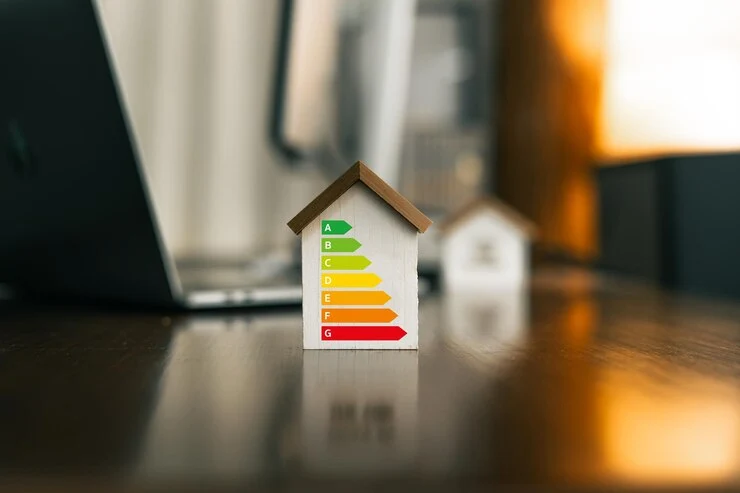
The final score determines the rating from A (excellent) to G (very poor).
Homes with good EPC ratings usually:
✔ Heat up faster
✔ Keep heat for longer
✔ Reduce tenant bills
✔ Attract higher rental prices
Solution:
Improve comfort → improve EPC → improve rental income and compliance.
Commercial EPC: Offices, Shops & Business Premises
Problem:
Flaws in commercial EPCs lead to leasing delays, void periods, and lost commercial tenants.
Information:
A commercial EPC involves a use of much more complex calculations.
The assessor examines:
- HVAC systems (air-conditioning, heating, ventilation)
- Light intensity, operating hours, and automatic control
- Zoning and floor use (retail, storage, office, industrial space)
- Mechanical equipment and cycles of energy demand
- Building structure
- Windows / glazing performance
- Renewable energy systems (Solar, VRF, Heat pumps)
An F or G rating renders a commercial property unlettable.
Existing tenancies can also be compelled to renegotiate.
Solution:
Early assessments allow owners to plan improvements and avoid business interruption.
Understand Why Commercial EPC Is More Detailed and Risky Than Residential EPC in London
Factor | Residential EPC | Commercial EPC |
Complexity | Low | High |
Failure Risk | Medium | High |
Upgrade Cost | Low/ Medium | Medium/High |
Assessment Time | 30–60 minutes | 2–4+ hours |
Rule Enforcement | Strict | Very strict |
Why Commercial EPC Failure Hurts More in London
Commercial buildings use more energy.
So when they score low:
→ Void periods last longer
→ Business tenants look elsewhere
→ Upgrades can be costly (HVAC systems, lighting redesign, glazing replacement)
Solution:
Always rely on accredited, experienced commercial assessors like Safety Spectrum London to ensure your building stays compliant and energy-efficient.
Call Us: +44 20 4628 6504
Email: info@safetyspectrumlondon.co.uk
Address: 14 Sebert Road, London, E7 0NQ
EPC Rules Changing by 2026 Urgent for Landlords, Property Managers, Letting Agents , Tenants, Home Buyers And Sellers
The UK is tightening EPC rules dramatically.
London boroughs have already started stricter enforcement to meet climate targets.
Current And Future Minimum Ratings
Property Type | Current Minimum | 2026–2030 Expected Minimum |
Residential EPC | E | C |
Commercial EPC | E | C (most cases) |
This means thousands of London properties will soon become unlettable unless upgraded.
What Happens If Your EPC Is F or G Grade
Problem:
A property with an F or G EPC rating cannot be rented.
Agents will block advertising.
Tenants cannot move in.
Existing tenants may have to leave if the rating cannot be improved.
Information:
The local councils are performing checks through the national EPC register.
Mortgage lenders are turning down poorly-rated properties.
Solution:
Upgrade before deadlines to avoid competition for work and contractor rate escalation.
Penalties, Fines And Income Loss
Failing EPC compliance leads to major financial consequences:
- Residential fines: up to £5,000
- Commercial fines: up to £150,000
- Mortgage lenders reassessing risk on low-rated buildings
- Letting agents refusing listings
- Extended void periods costing thousands in lost rent
Problem:
Empty property = rent lost + mortgage still due + bills still payable.
Solution:
Plan EPC improvements early → protect your rental yield.
How to Make Your Property Lettable
A strategic approach prevents panic later:
Step-by-step solution pathway
Book EPC early
Identify rating weaknesses (insulation, boiler, glazing, HVAC etc.)
Implement low-cost or staged upgrades
Reassess → relist → maintain compliance
Why act now?
Waiting until 2026 creates a last-minute national rush, higher prices, and fewer available engineers.
Improve EPC Ratings Quickly And Affordably
Improving EPC ratings does not always require expensive renovations.
Many London properties can jump 2–3 rating bands with targeted upgrades.
Low-Cost Improvements for Homes
These are the quickest wins:
- LED lighting upgrade
- Loft insulation (most cost-effective EPC boost)
- Pipe And Tank insulation
- Smart heating controls (Hive, Nest, Tado)
- Boiler system servicing and efficiency improvements
- Draught-proofing windows and doors
- Radiator reflector panels
- TRVs (thermostatic radiator valves)
Problem:
Poor insulation = high bills = unhappy tenants.
Solution:
Comfort increases → EPC improves → higher rental value.
Money-Saving Upgrades for Commercial Buildings
Commercial upgrades are typically performance-driven:
- Energy-efficient HVAC systems
- Smart zoning and building automation
- Double or triple glazing for heat retention
- LED panel lighting with occupancy controls
- Solar PV for long-term reduction
- Improved roof and wall insulation
- Replacement of outdated mechanical systems
Problem:
Commercial energy bills directly reduce ROI and business profitability.
Solution:
Automation + efficient equipment = major EPC improvement.
Smart ROI Strategy
Don not spend it everywhere. Invest where energy loss is highest:
- Heat loss areas (loft, roof, walls)
- Building controls and automation
- Sealing air leakage points
- Upgrading old heating/cooling systems
- Bundling improvements to reduce contractor costs
Business Benefit:
Better EPC → higher rental value → stronger market demand.
Grants And Funding Support Available
London landlords may qualify for:
- Government insulation grants
- Boiler upgrade scheme
- Local borough retrofit grants
- Business premises energy efficiency schemes
- Low-interest loans for commercial upgrades
Solution:
We help landlords identify all available support options.
Frequently Asked Questions and Answers
What is the difference between a residential EPC and a commercial EPC?
A residential EPC evaluates energy efficiency for residential properties, while a commercial EPC evaluates commercial properties, HVAC, zoning, and lighting for businesses. Both are different and cannot be used interchangeably.
Do landlords legally need an EPC to rent out a property in London?
Yes. There are no sales or lettings permissible without an EPC of E or above, but these are set to tighten to C between 2026-2030.
How long does an EPC last?
An EPC has a life of 10 years, but you can upgrade your EPC if you improve your insulation, heating, or glazing.
What happens if my EPC rating is F or G?
This means that your property becomes unlettable, agents are unable to accept listings, and even fines are imposed until your rating is addressed.
How is an EPC rating calculated?
Assessors examine heating, insulation, windows, lighting, and energy usage, then give a rating from A to G.
Why do London councils enforce EPC rules more strictly?
London has tough carbon goals, and London boroughs closely monitor the EPC Register. They punish violators in rentals that are not compliant.
How can I quickly improve my EPC rating?
Addition of insulation, LED lighting, and/or heating controls. These enhancements will normally raise EPC by 1 to 3 ratings.
How long does an EPC inspection take?
An EPC for residential properties would require 30-60 mins. An EPC for commercial properties would take 2-4+ hours.
How much does an EPC cost in London?
Residential EPC costs range from £60 to £90; for commercial, it depends on size, from £149 to £250
Can an EPC rating affect property value or rental income?
Yes, a higher EPC rating will attract better tenants, higher rents, quicker lets, and a better resale value.
